Dove tu non sei
DOVE TU NON SEI
È un giro di valzer questo tempo, un roteare su un palco piccolo piccolo, in un teatro che hai avuto l’onore di allestire tu stesso.
Senza spettatori, noi danziamo, con la speranza che qualcuno ci dica che la messa in scena è finita. La storia dell’umanità è costellata di costrizioni, percorsi stabiliti da necessità o da gerarchie familiari e, in effetti, da poco meno di 100 anni, a noi occidentali è stato concesso di scegliere liberamente che mestiere fare, quali viaggi intraprendere, quando è il momento di uscire di casa e quando, invece, è il momento di stare da soli.
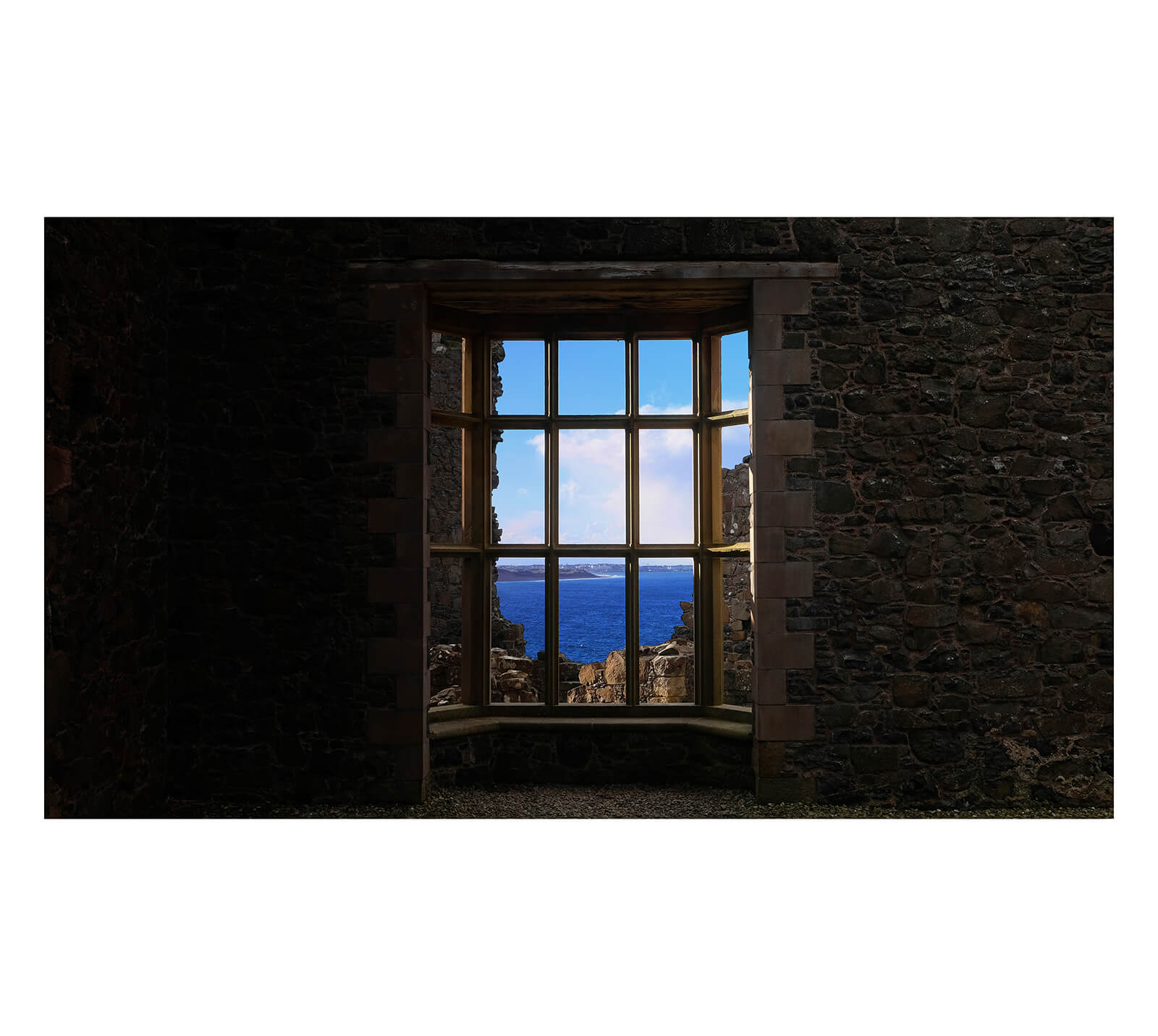
Oggi, dopo la negazione di tali libertà per ragioni sanitarie; oggi, in cui frontiere e confini vengono chiusi, congelati i nostri lavori e il mondo è diventato la sola vista da una finestra, fisica o digitale; oggi che una guerra, apparentemente improvvisa, improbabile, è così vicina all’uscio di casa, tutto appare distante anni luce, anche mete che, fino a ieri, ci sembrava di poter raggiungere in poche ore d’aereo…
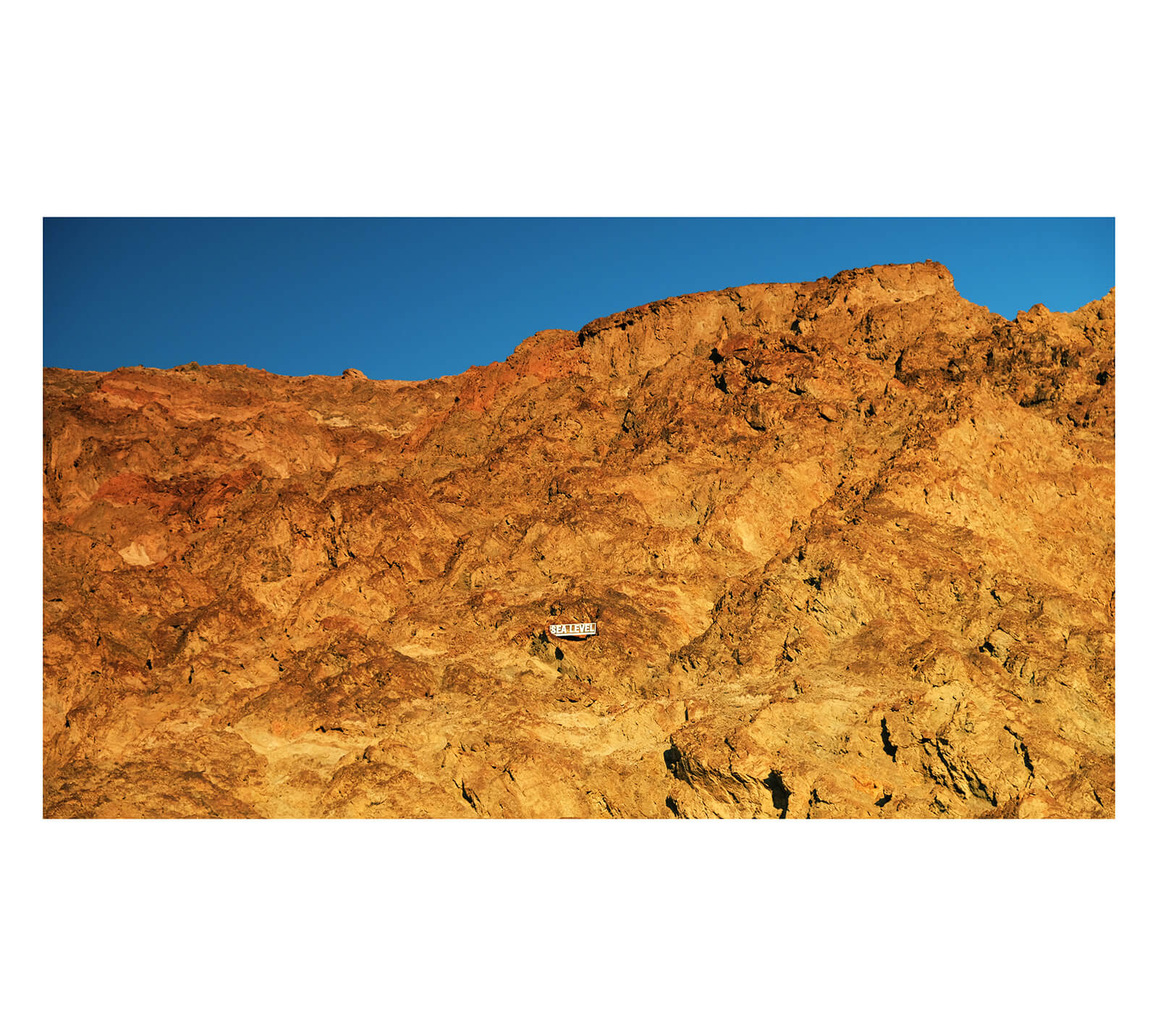
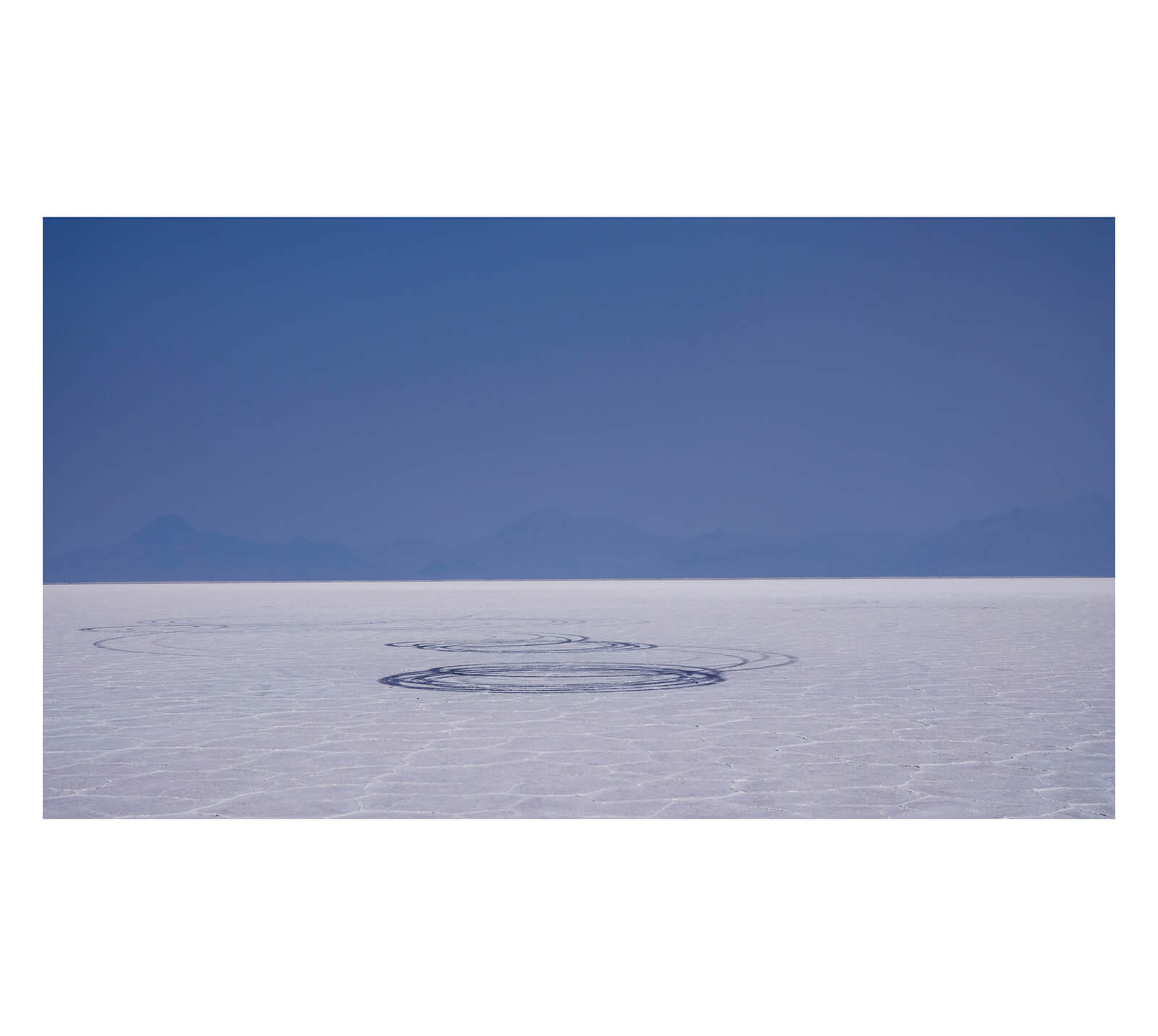
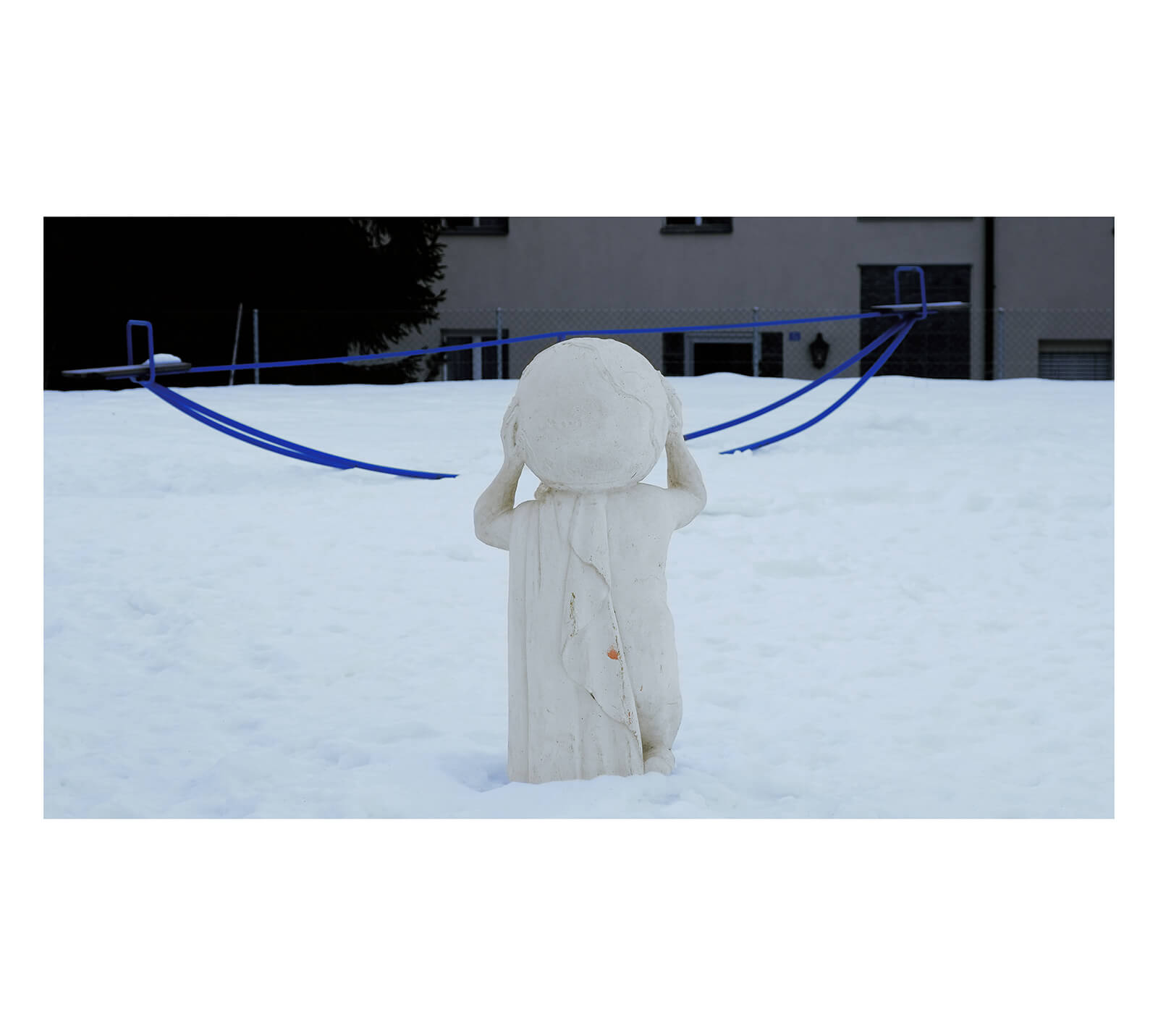
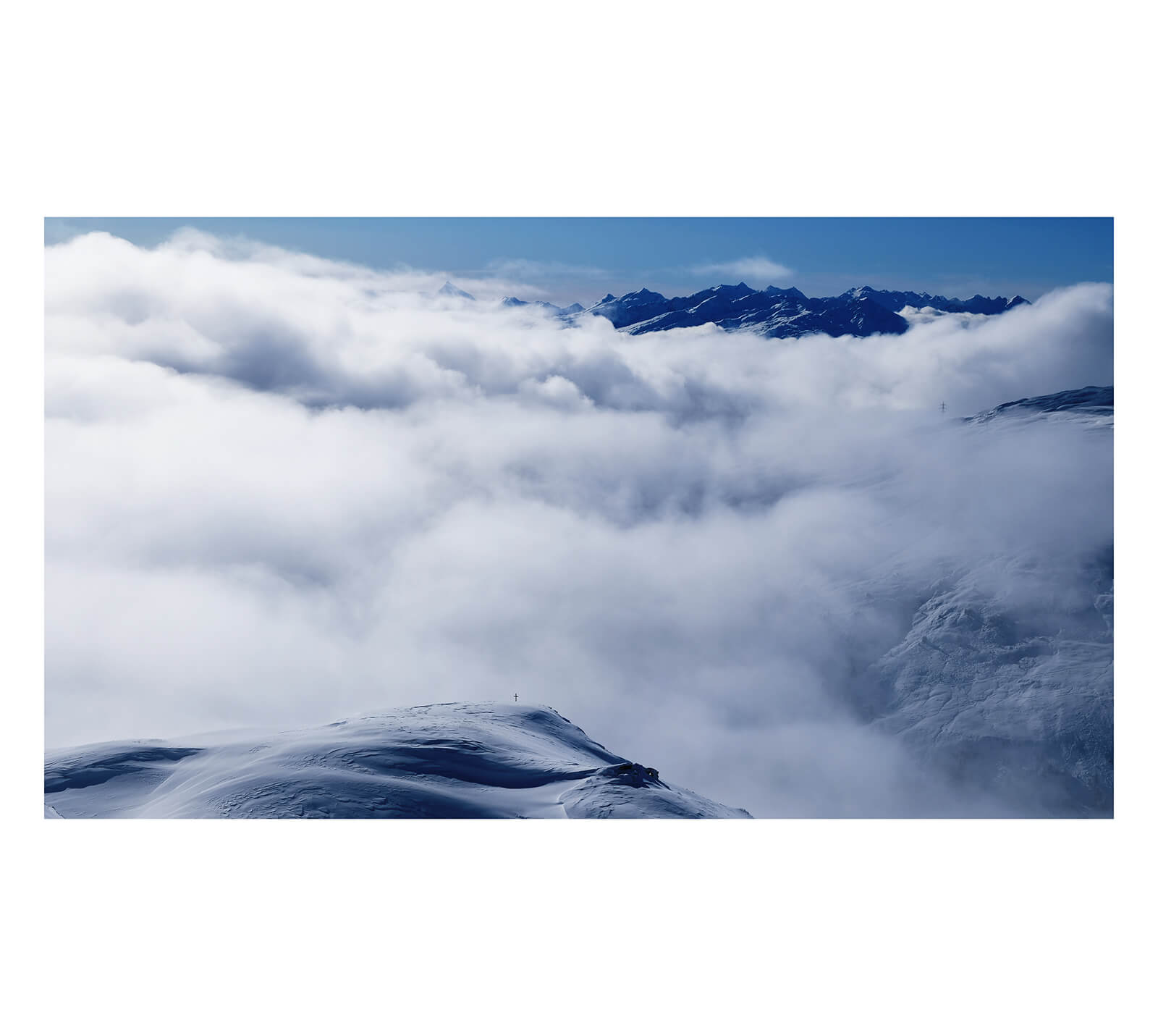
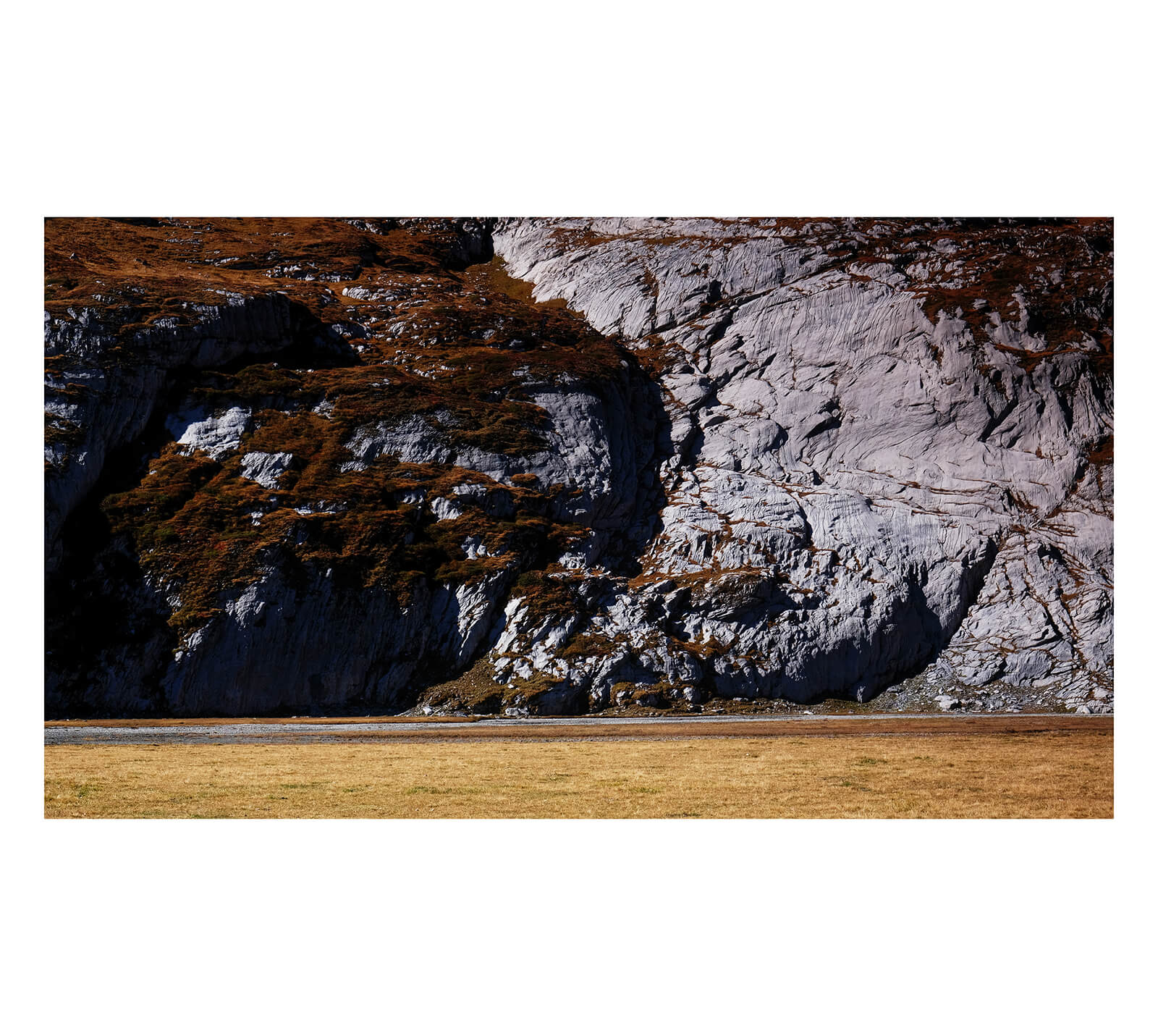
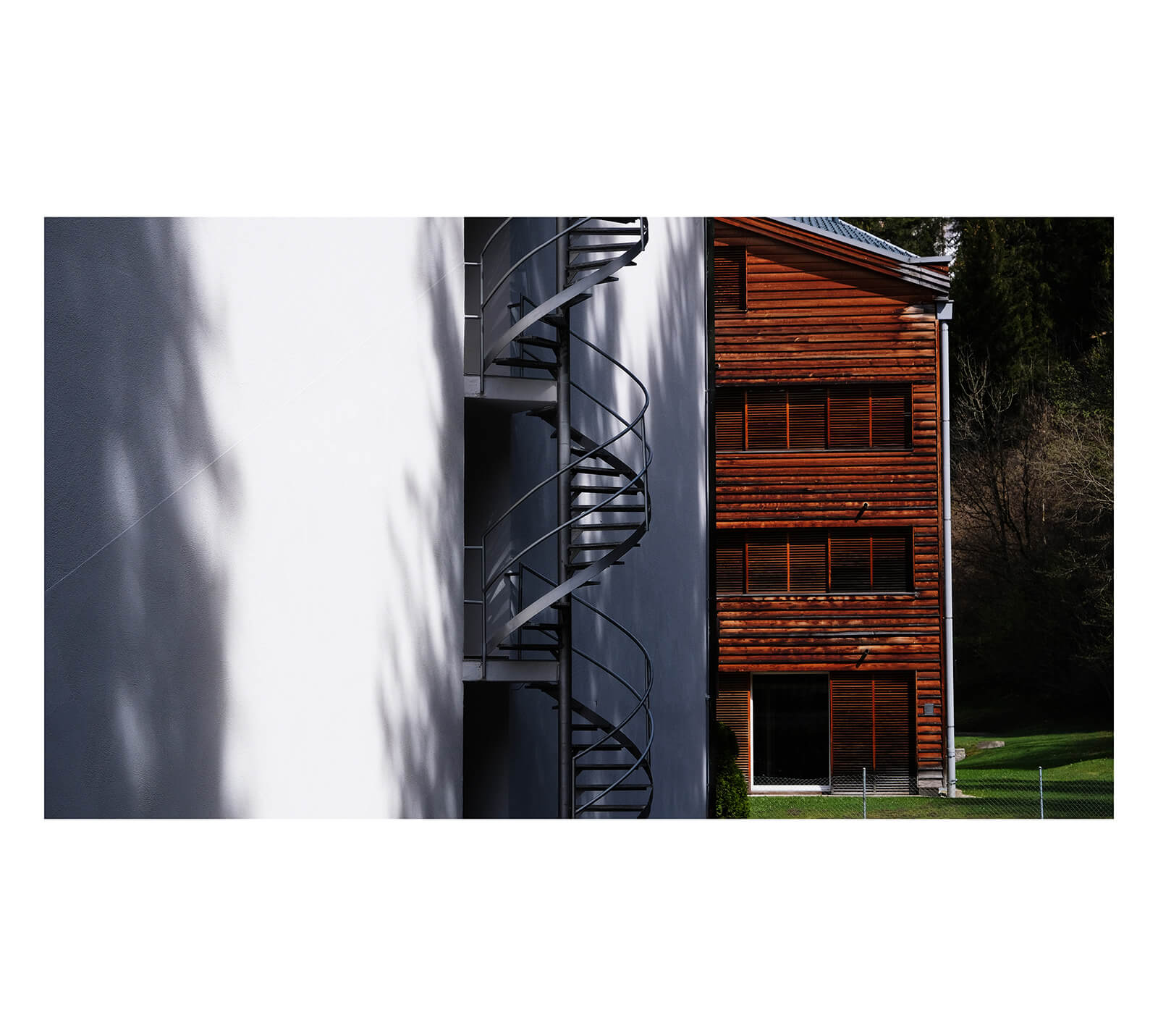
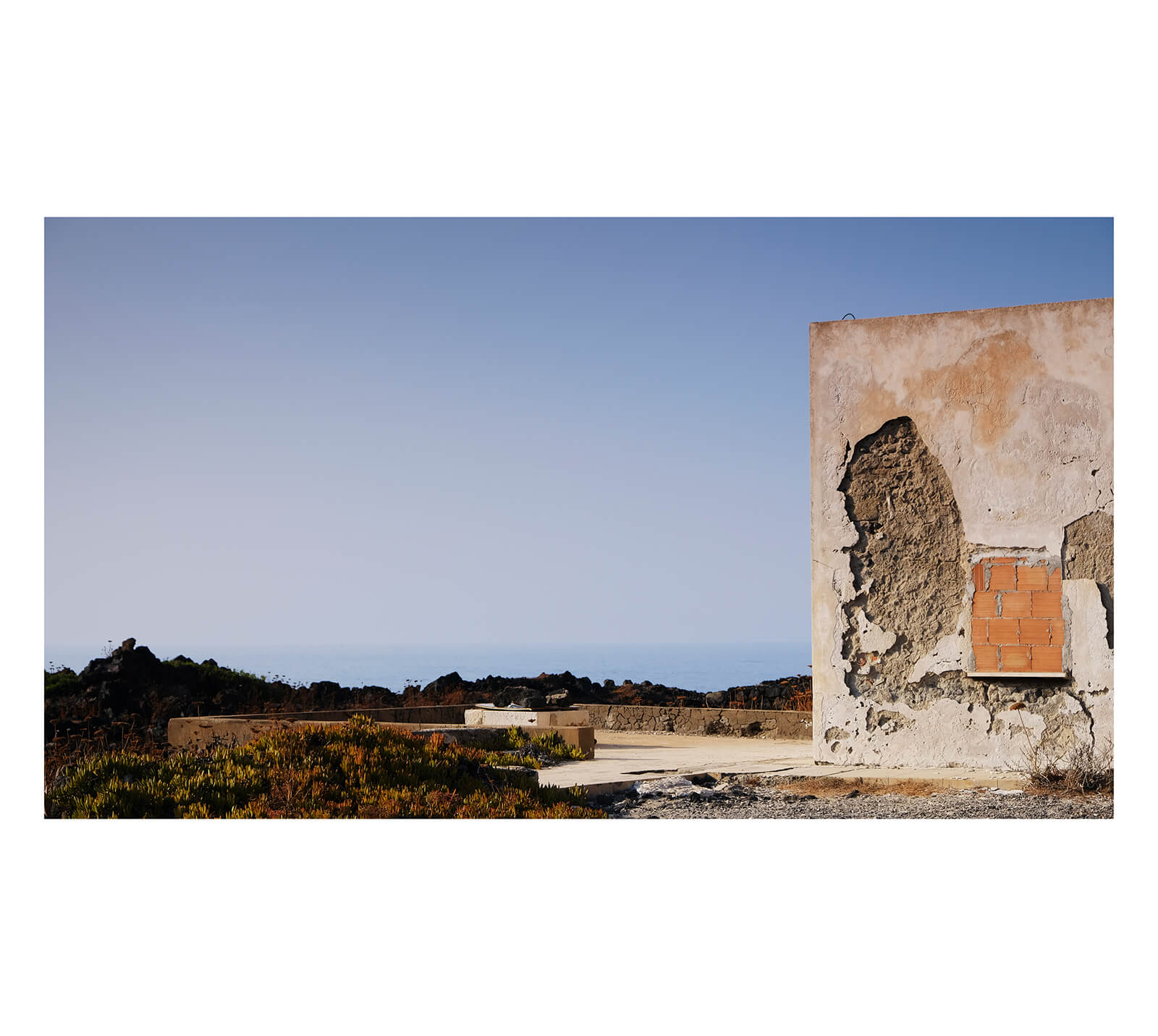
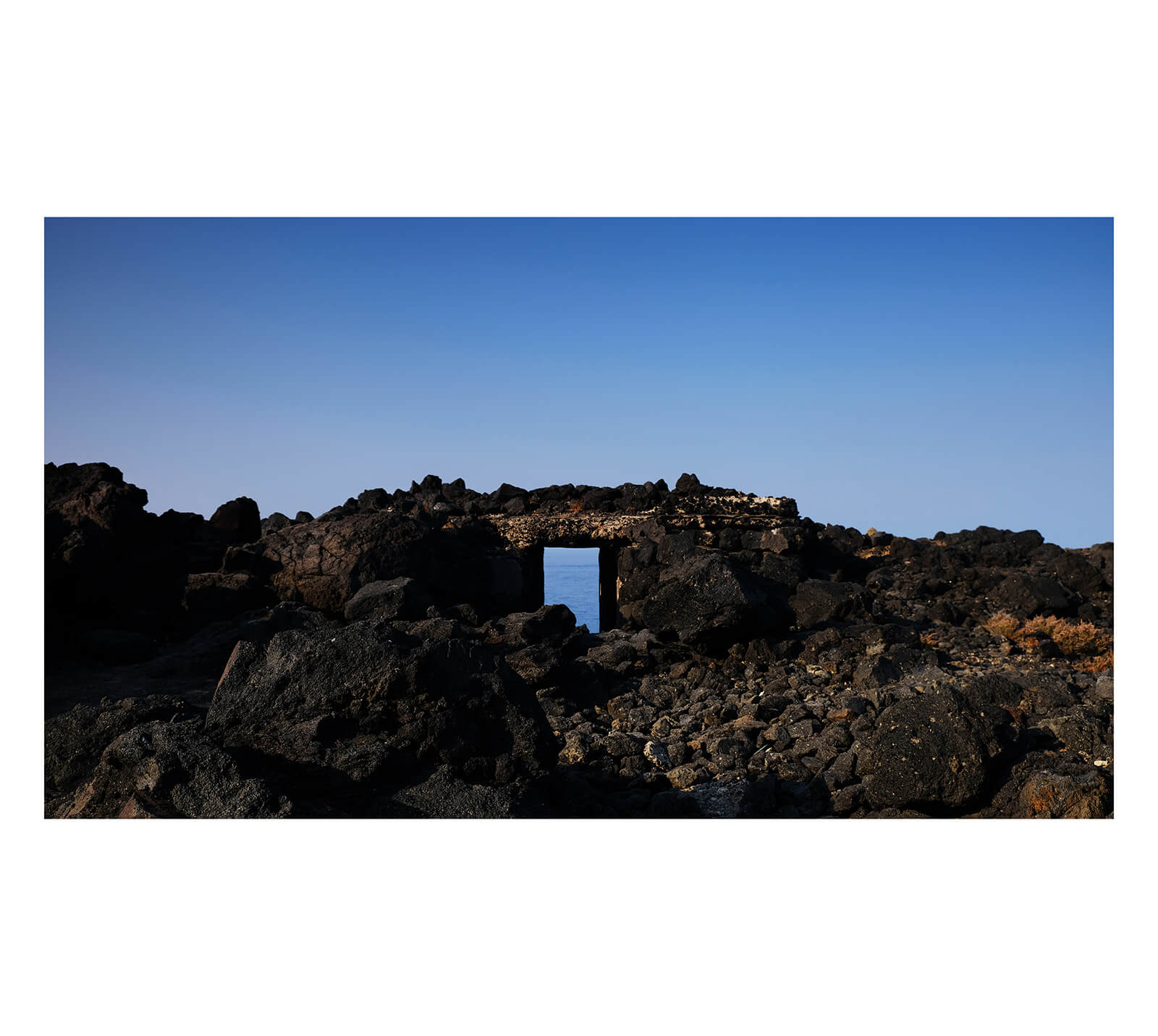
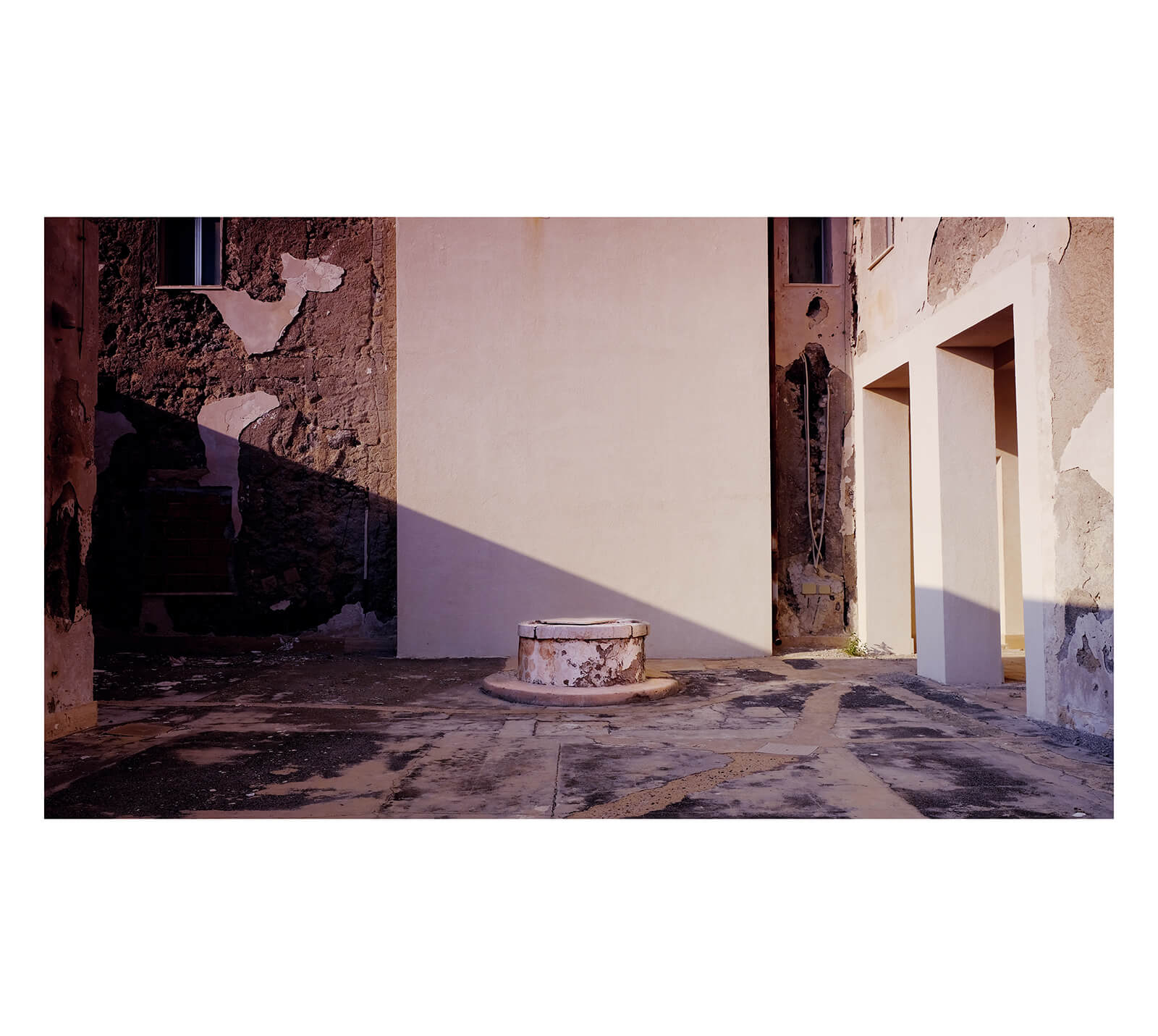
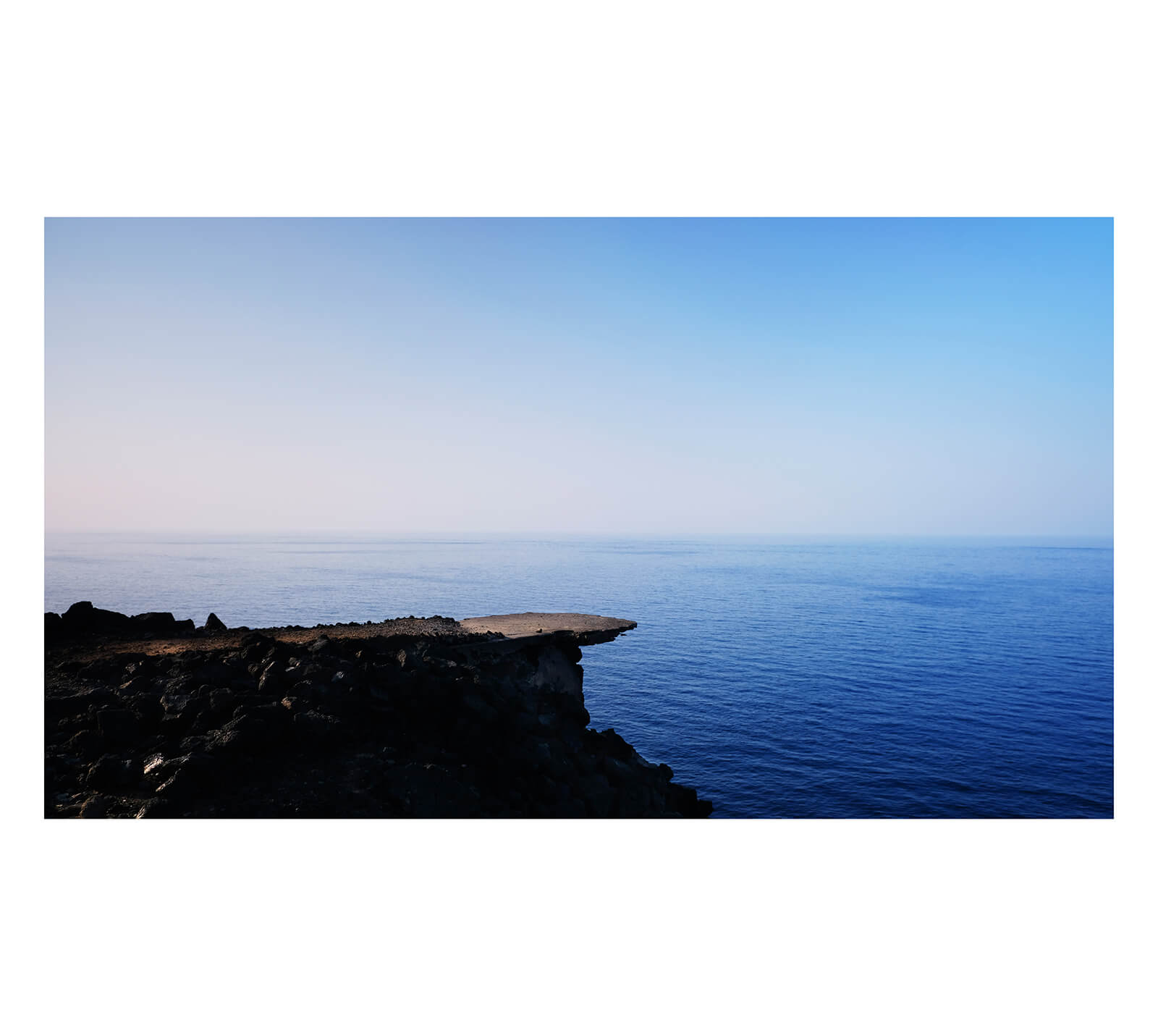
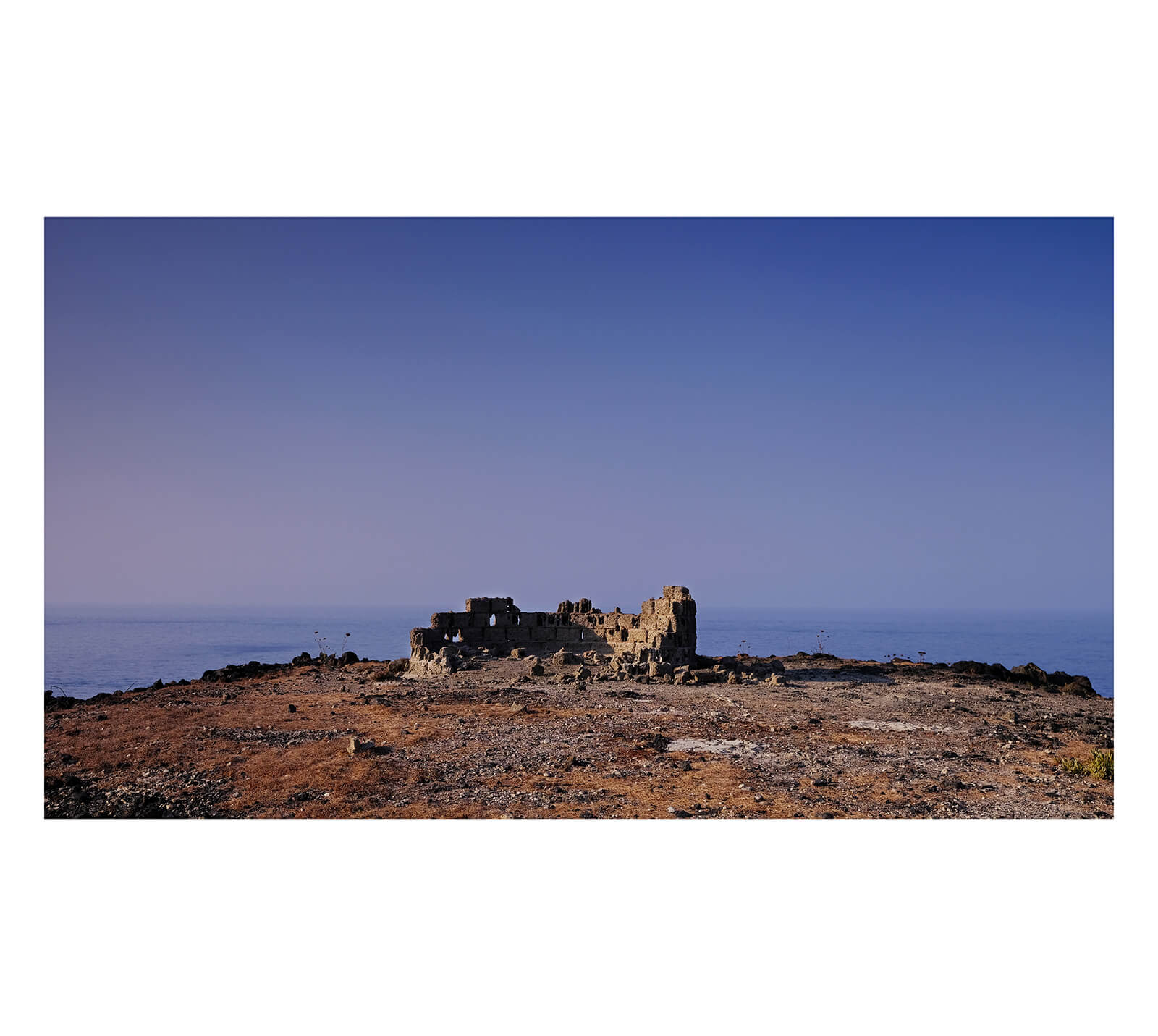
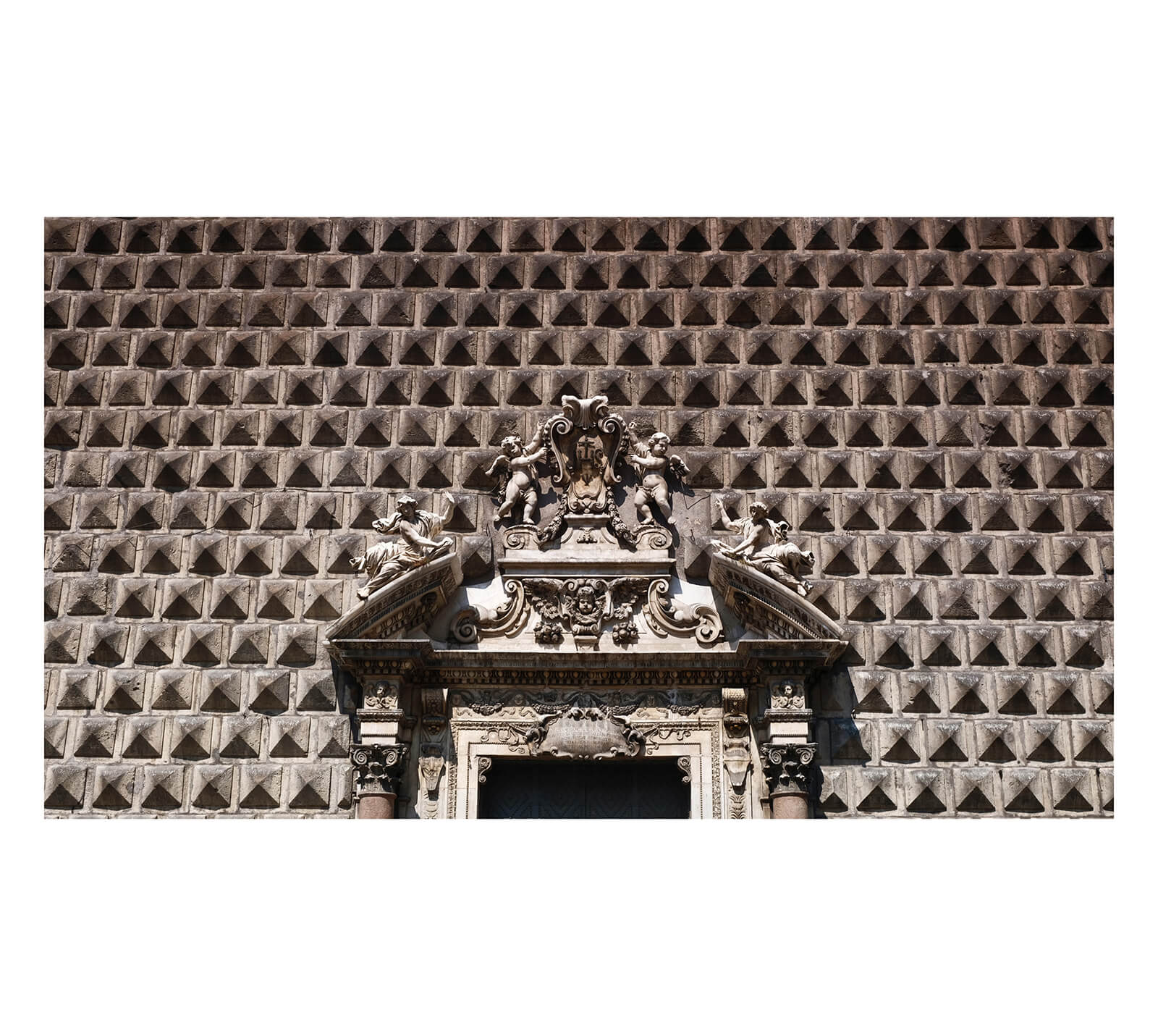
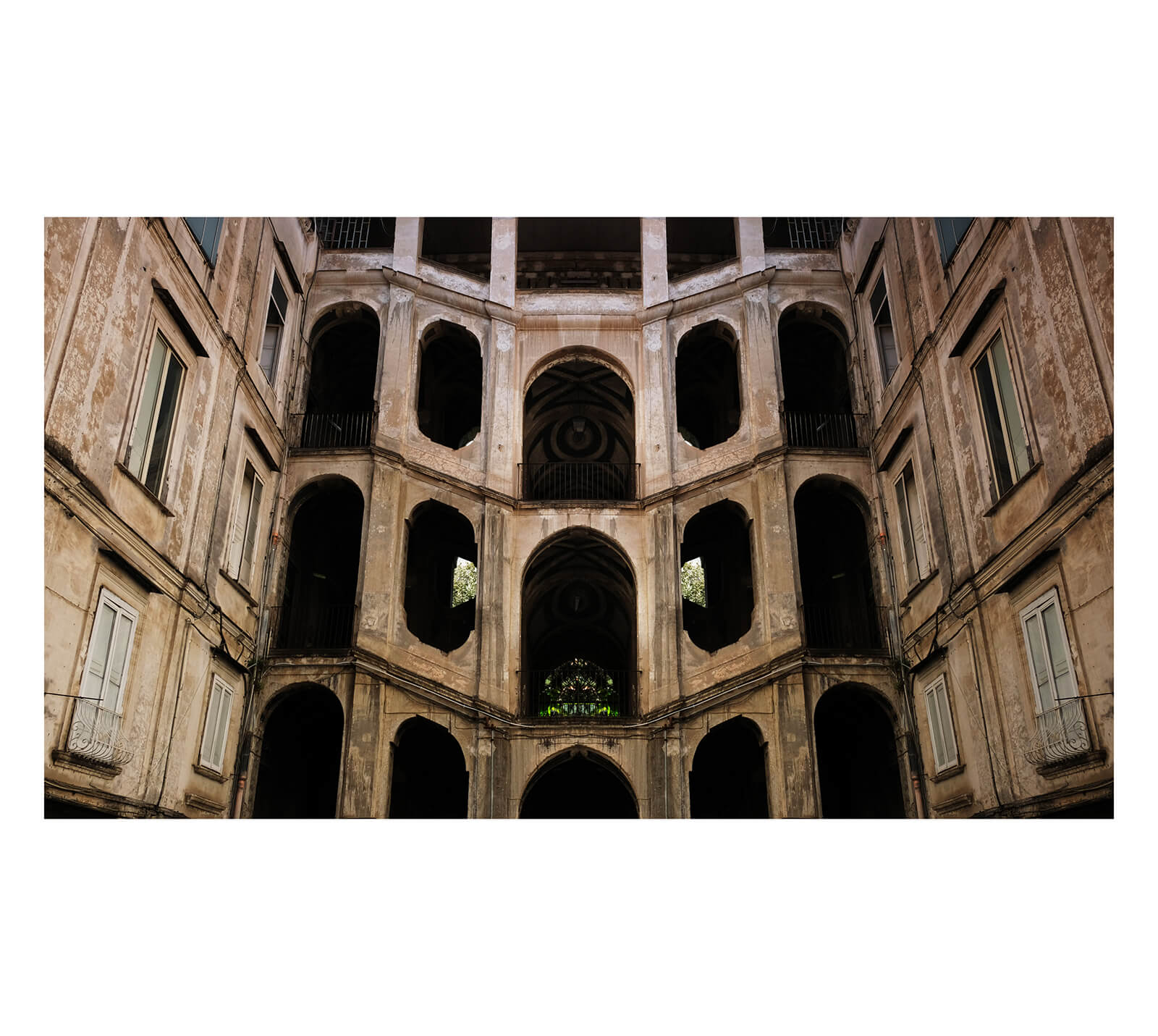
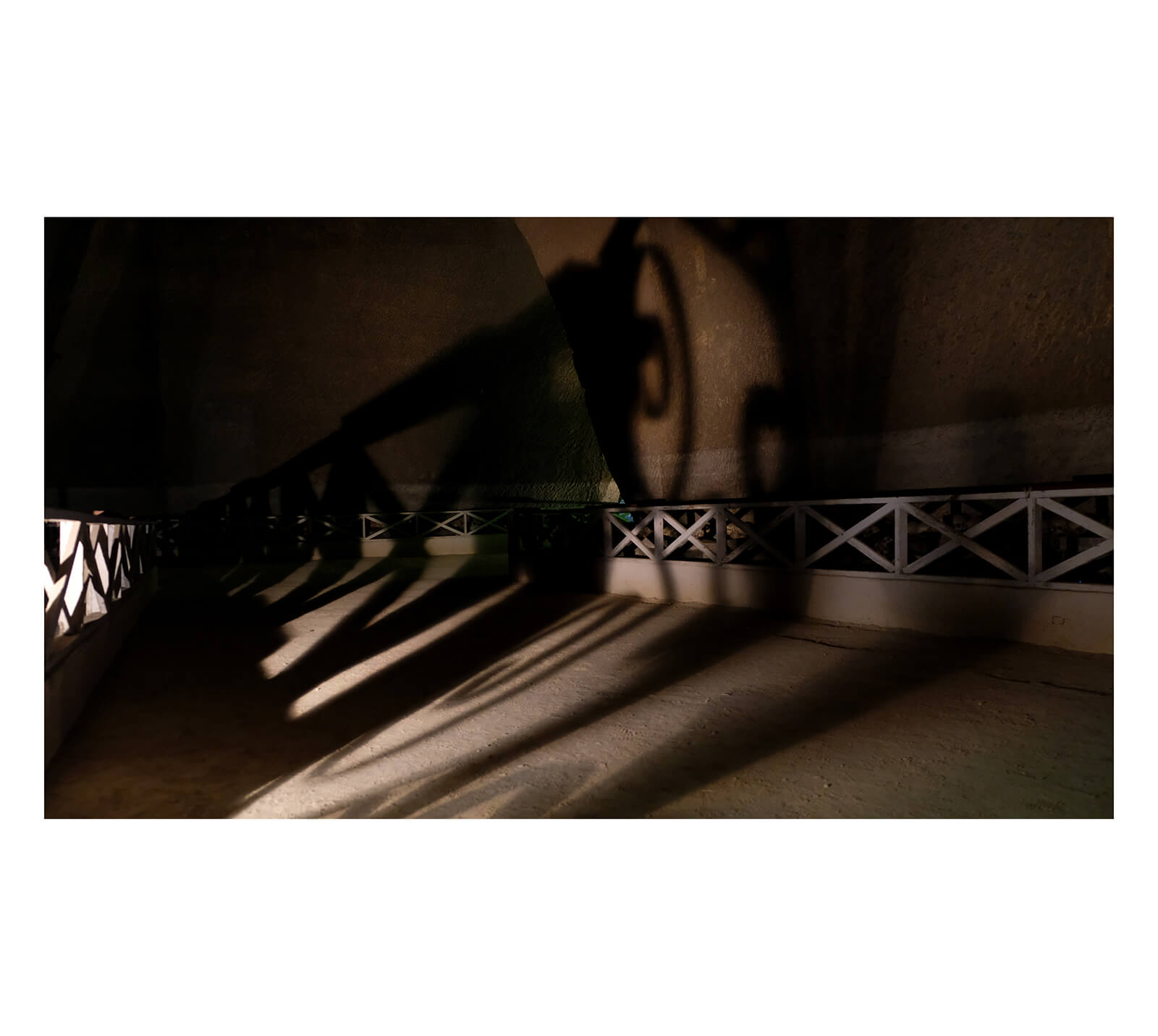
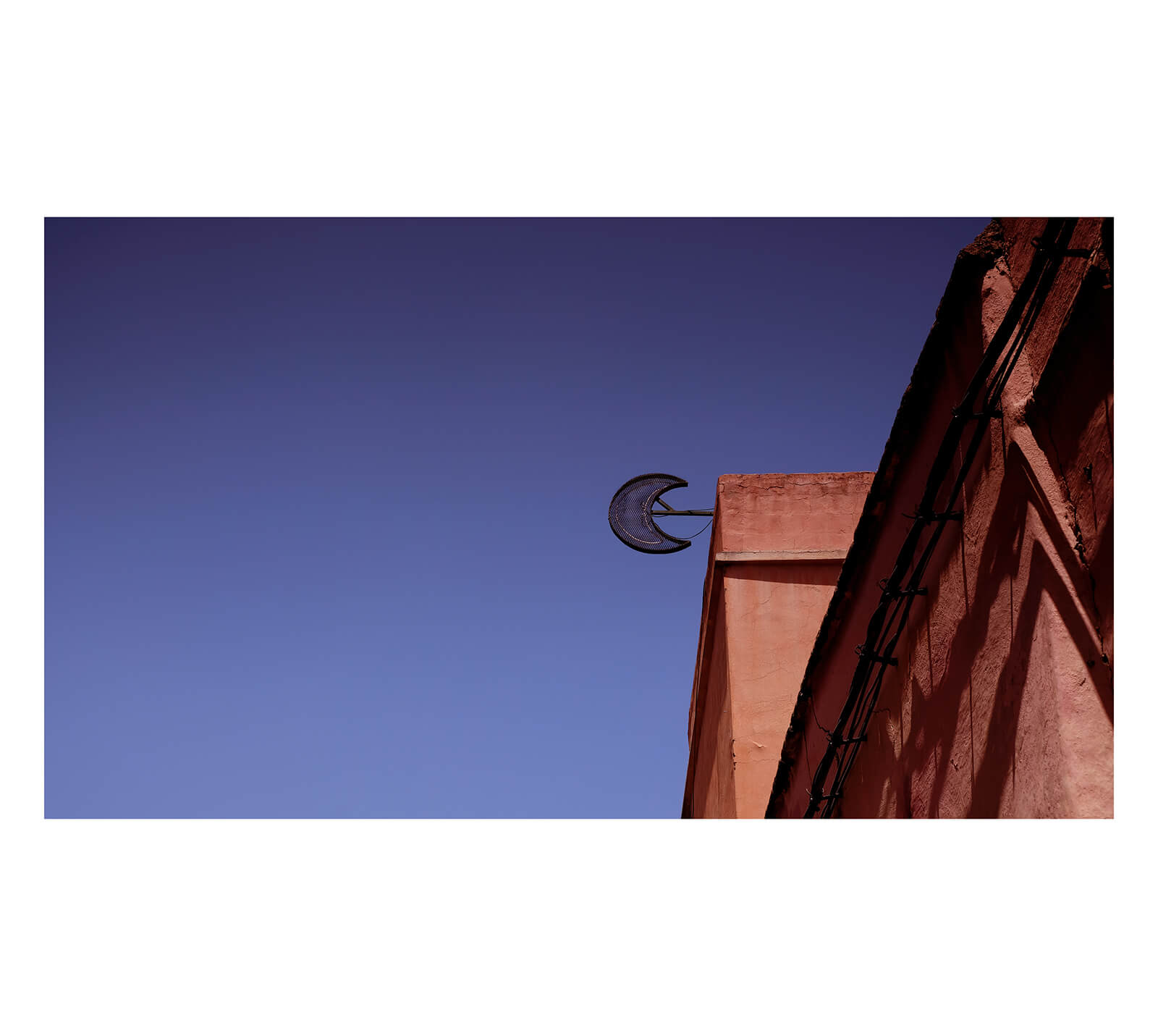
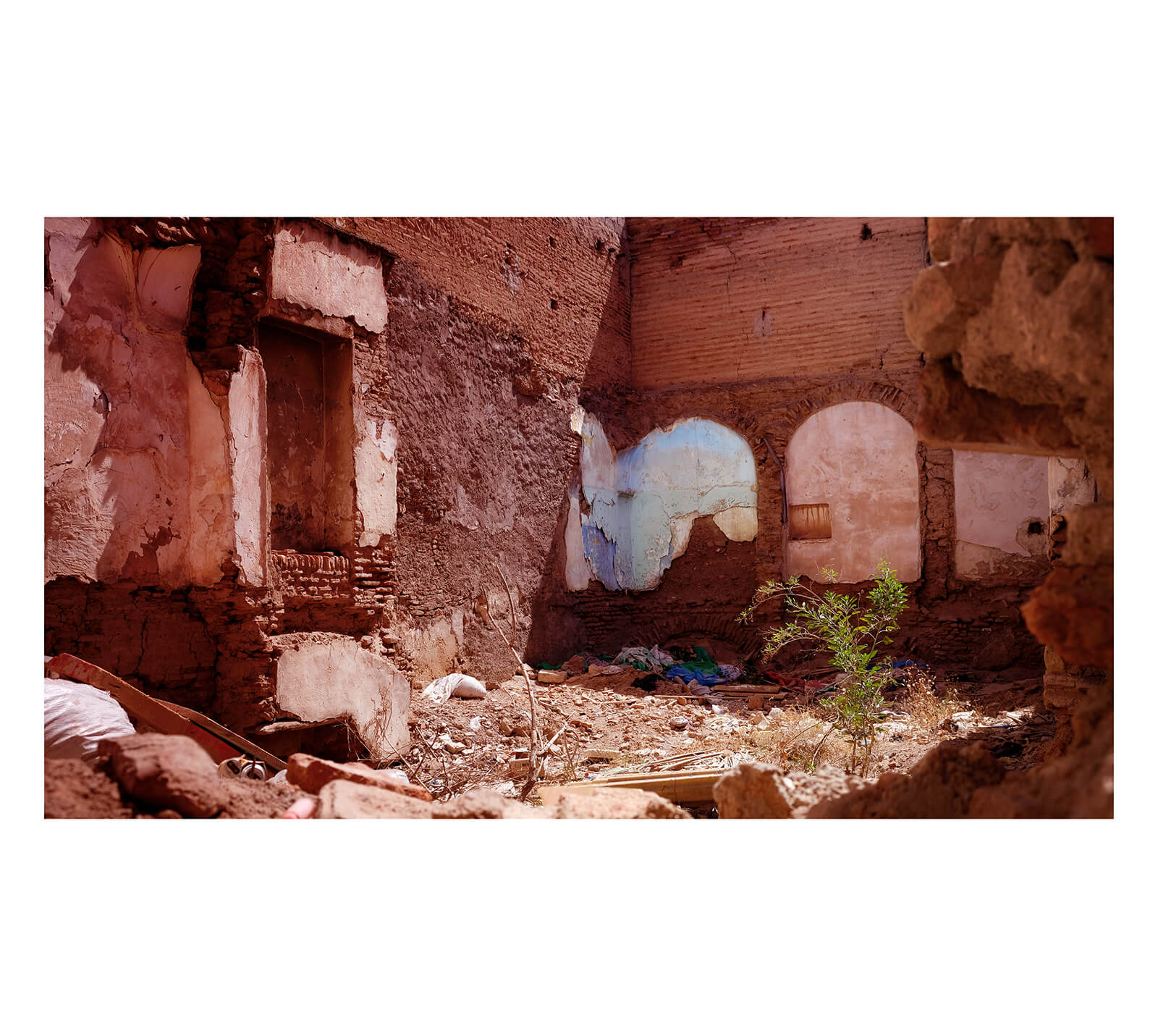
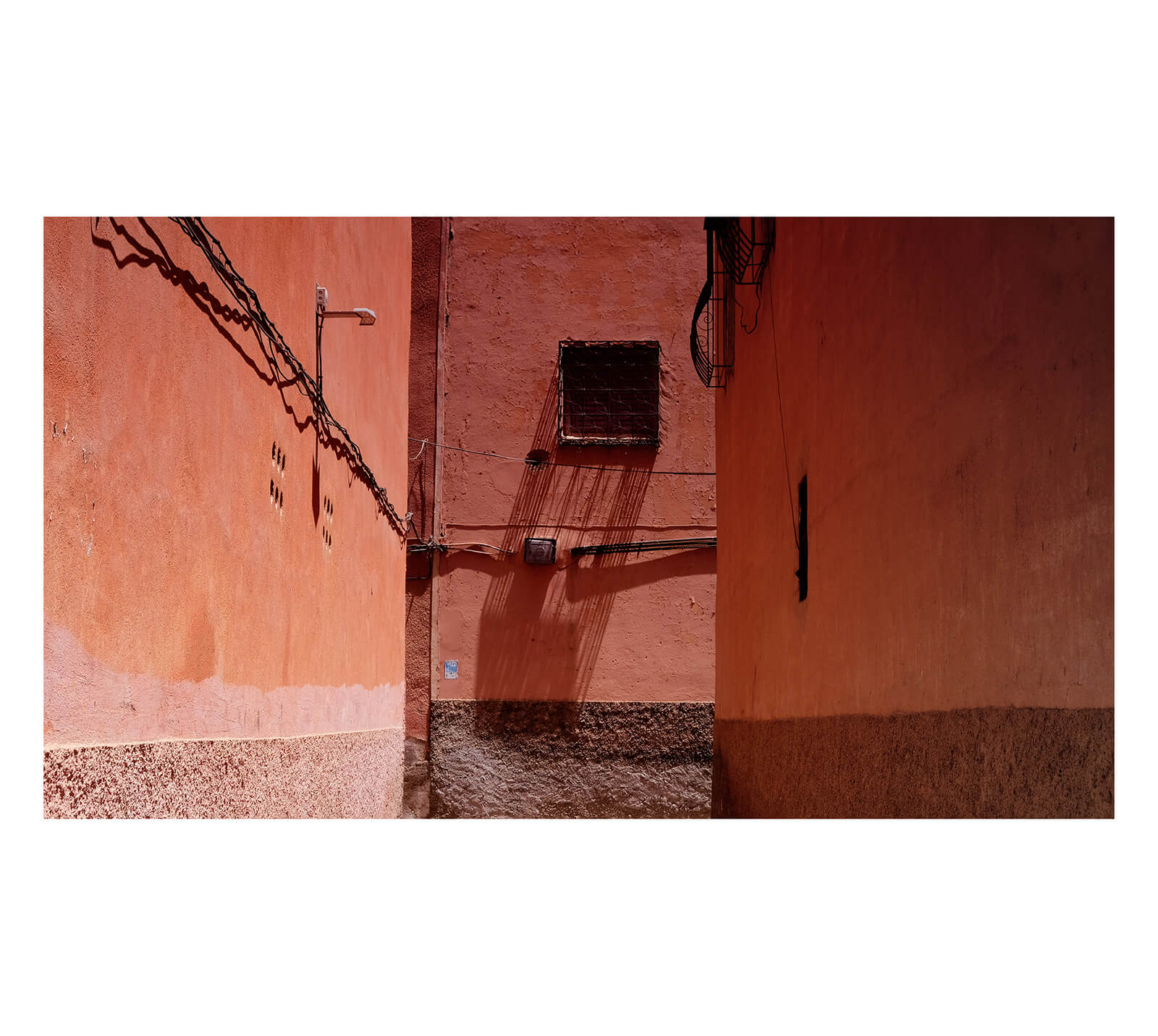
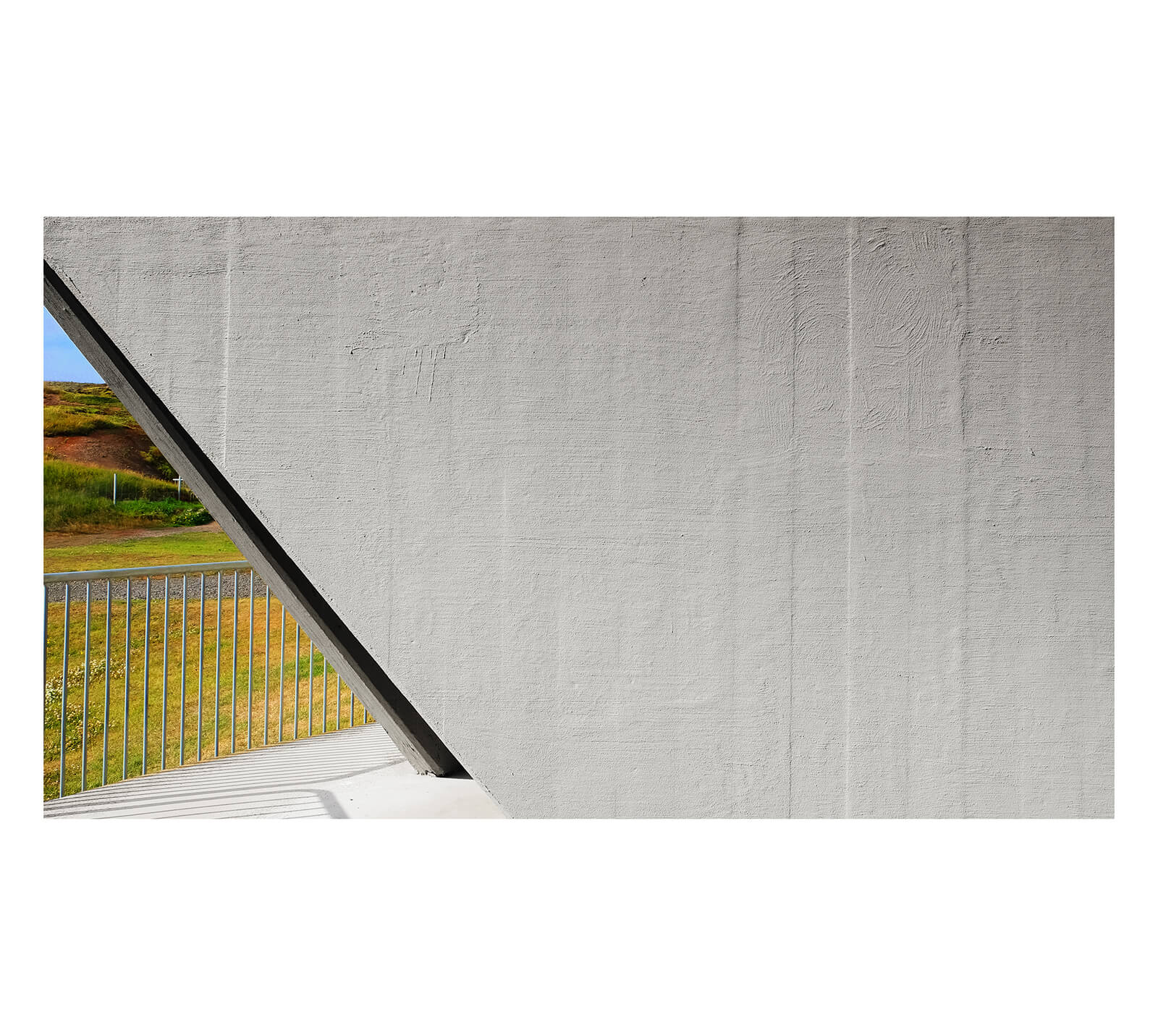
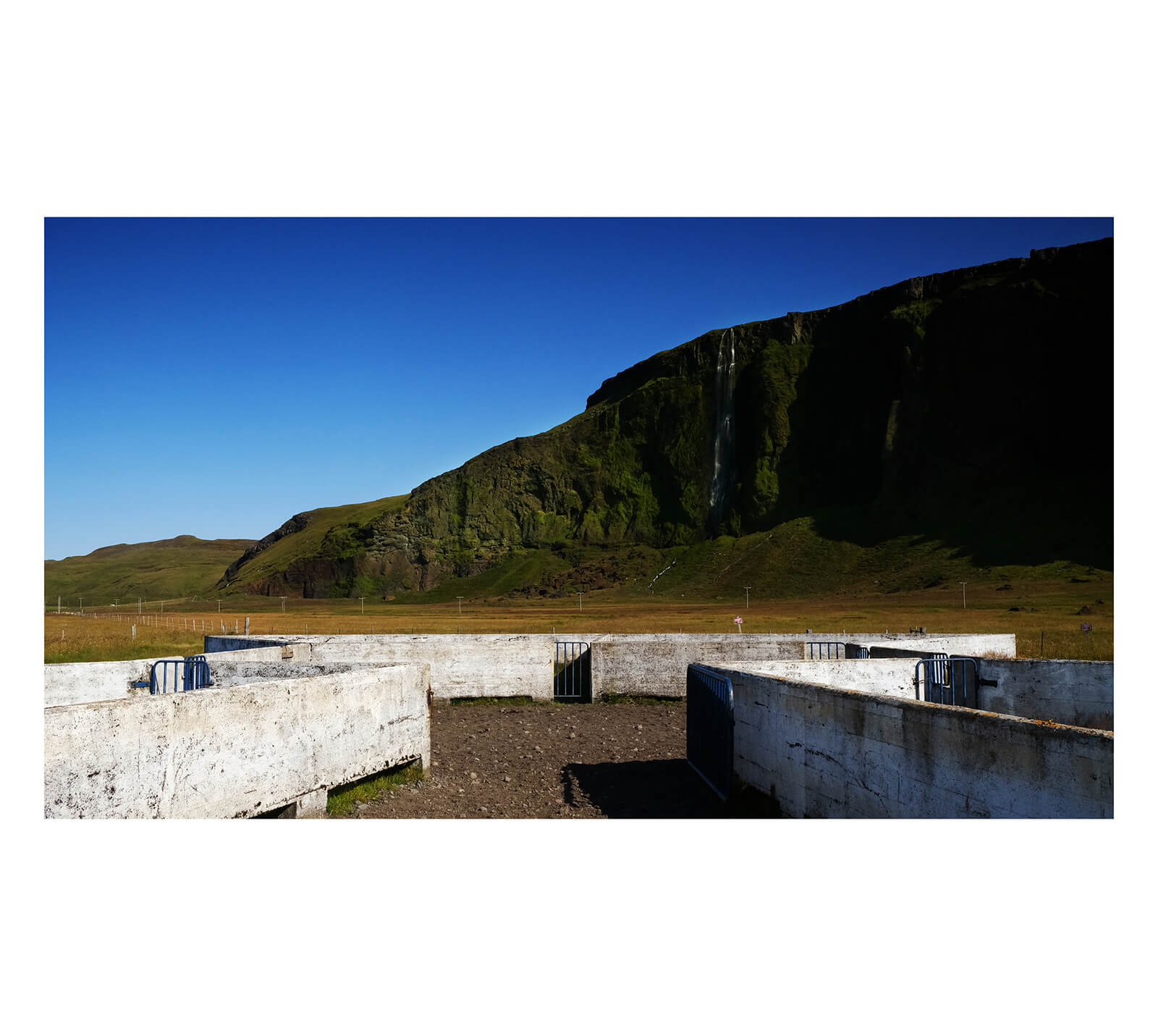
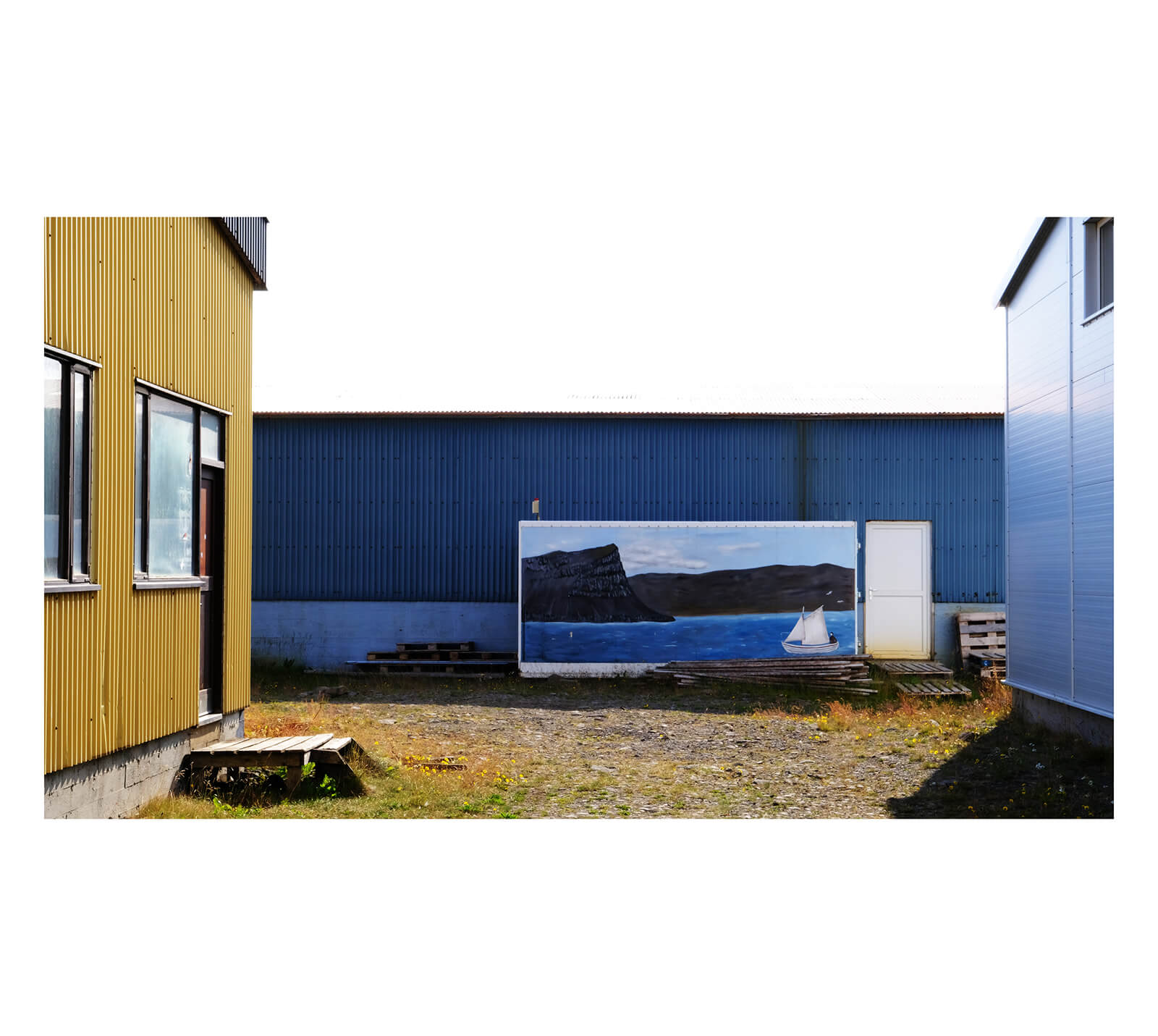
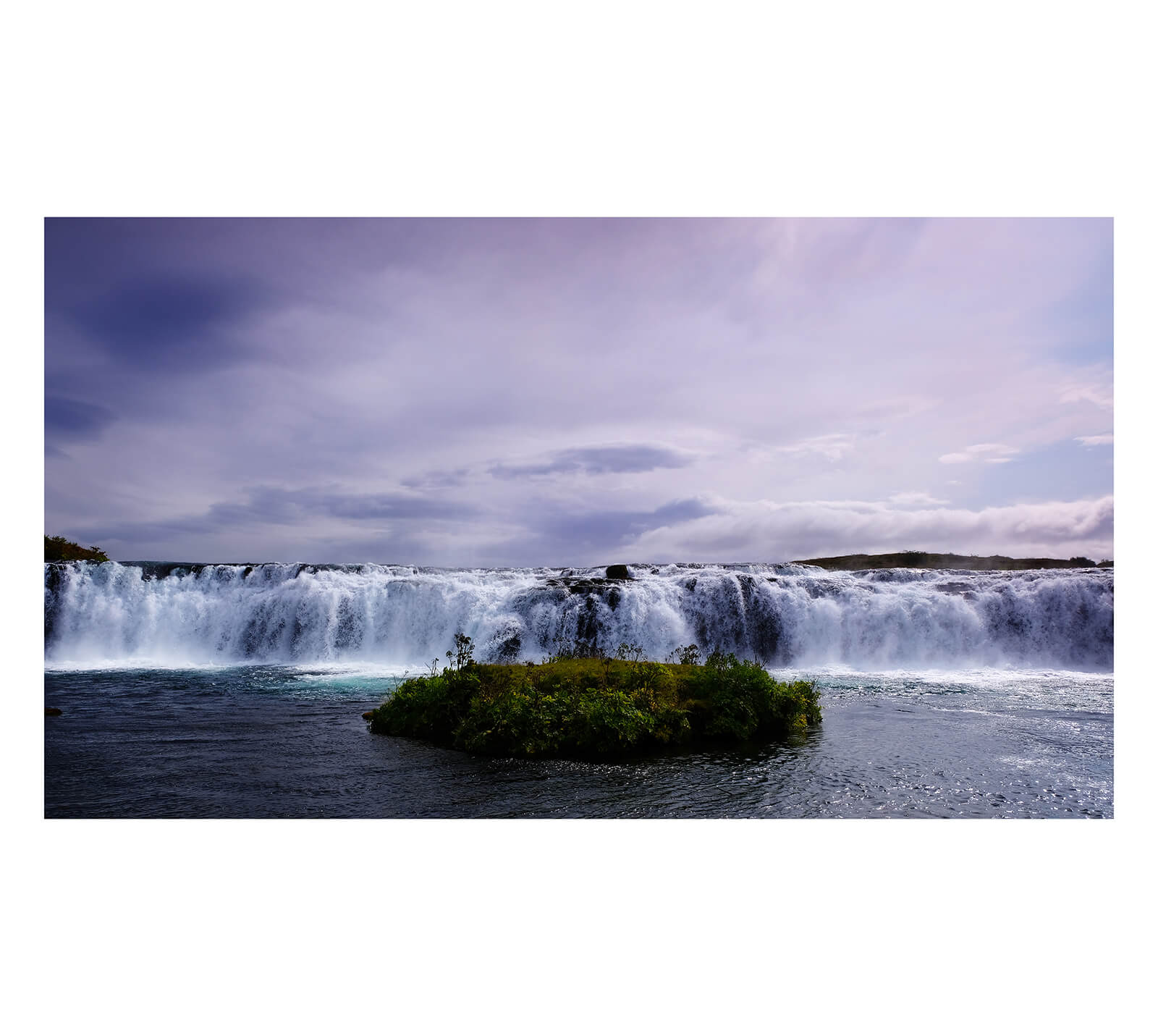
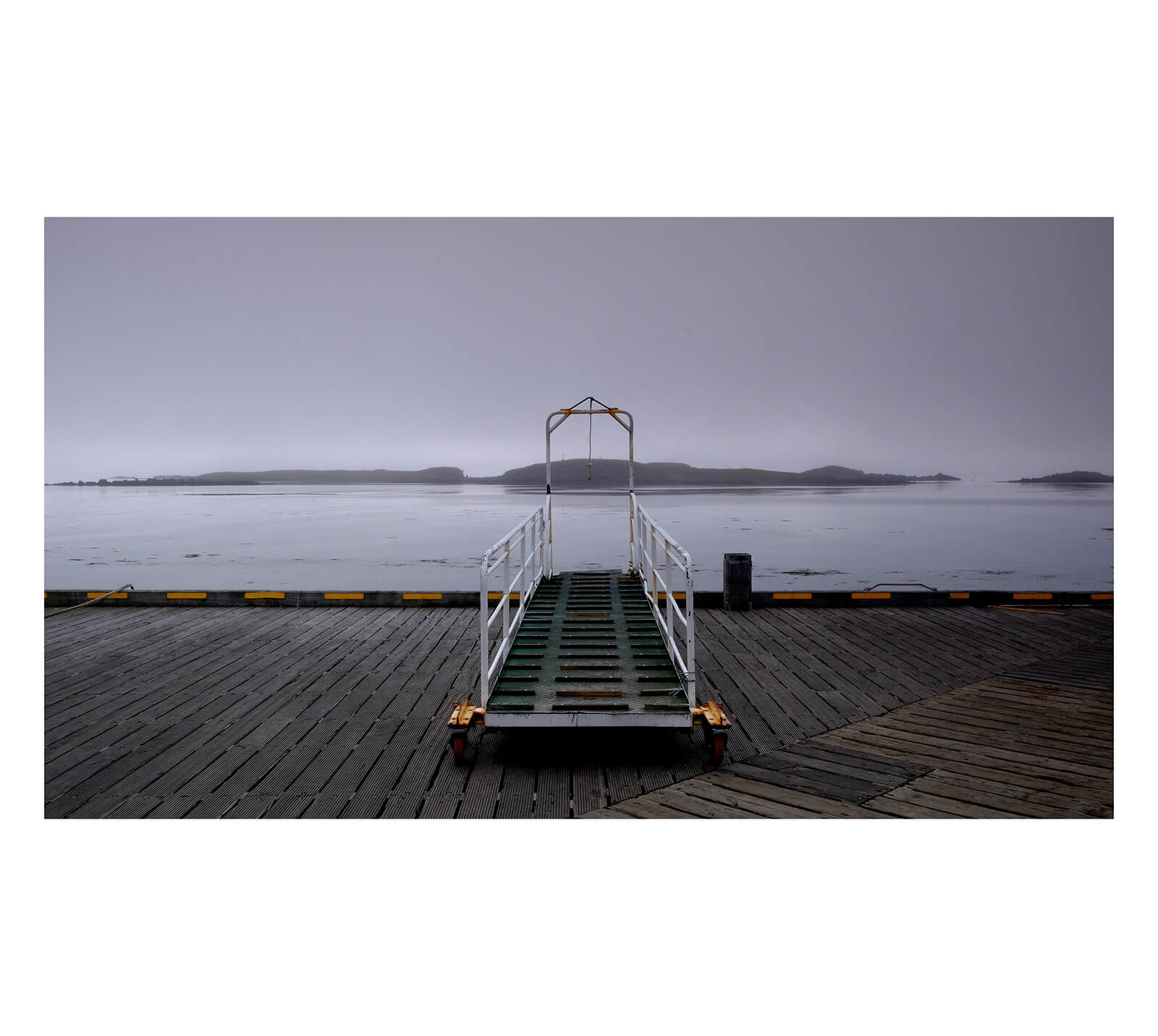
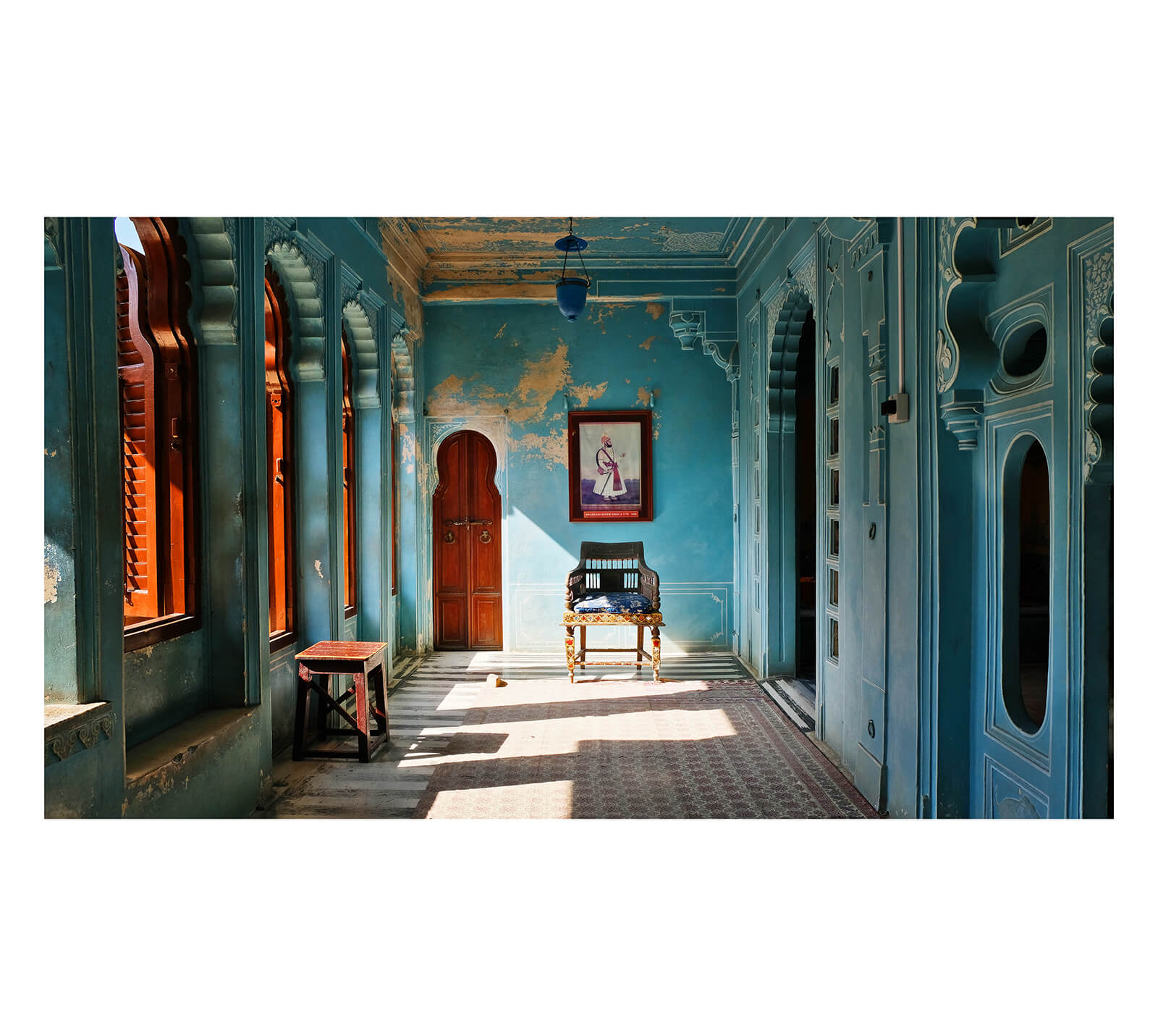
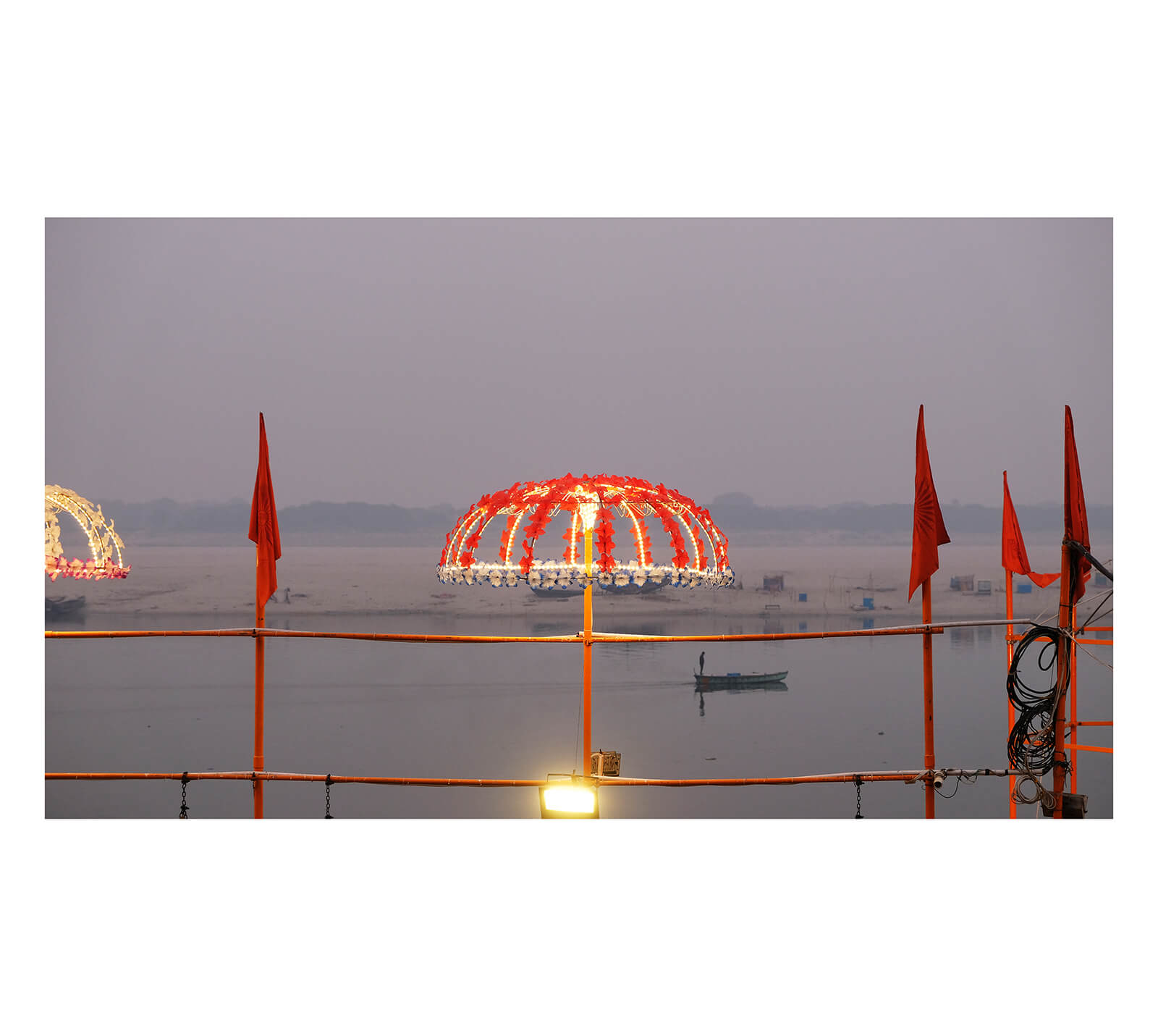
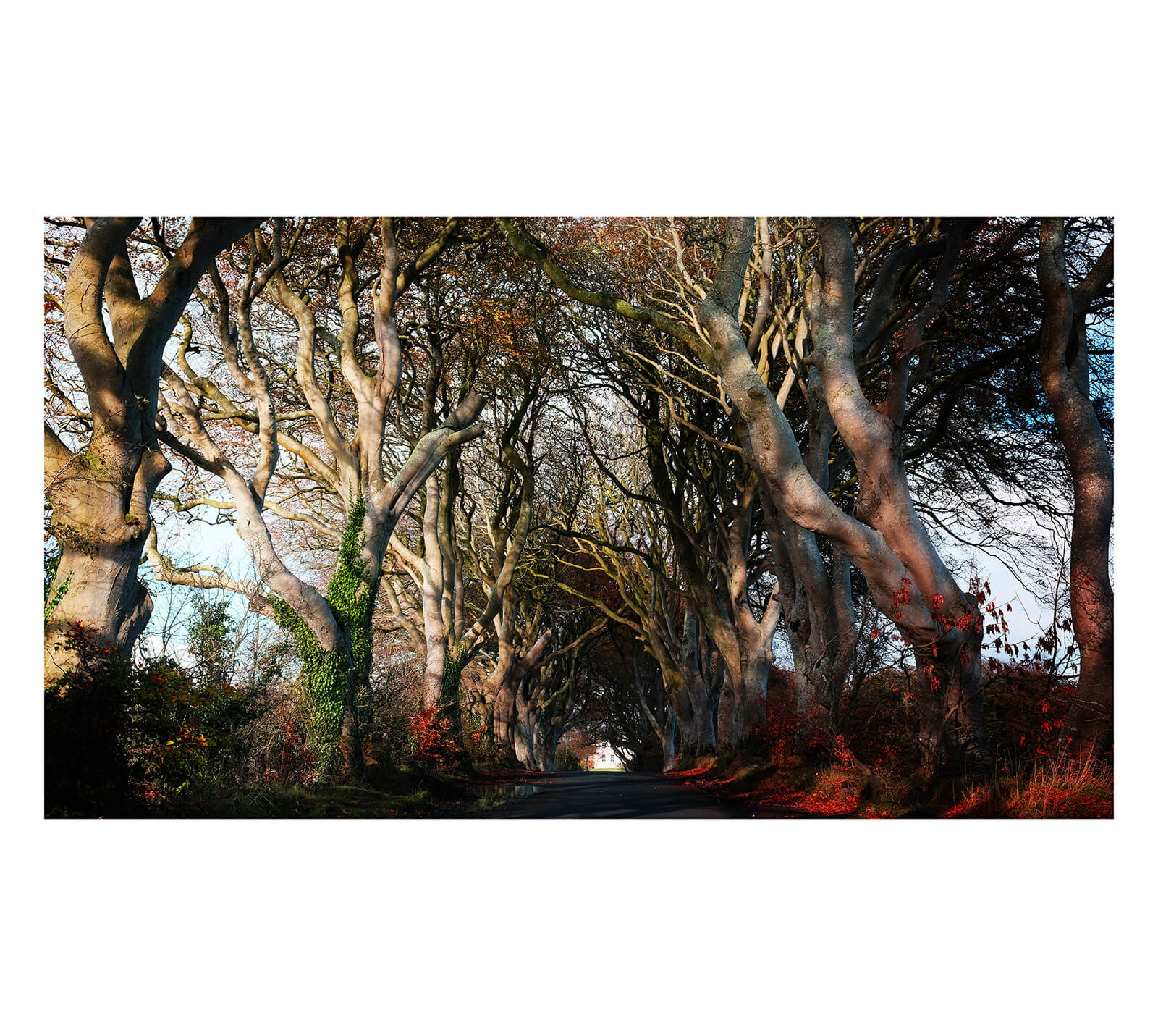
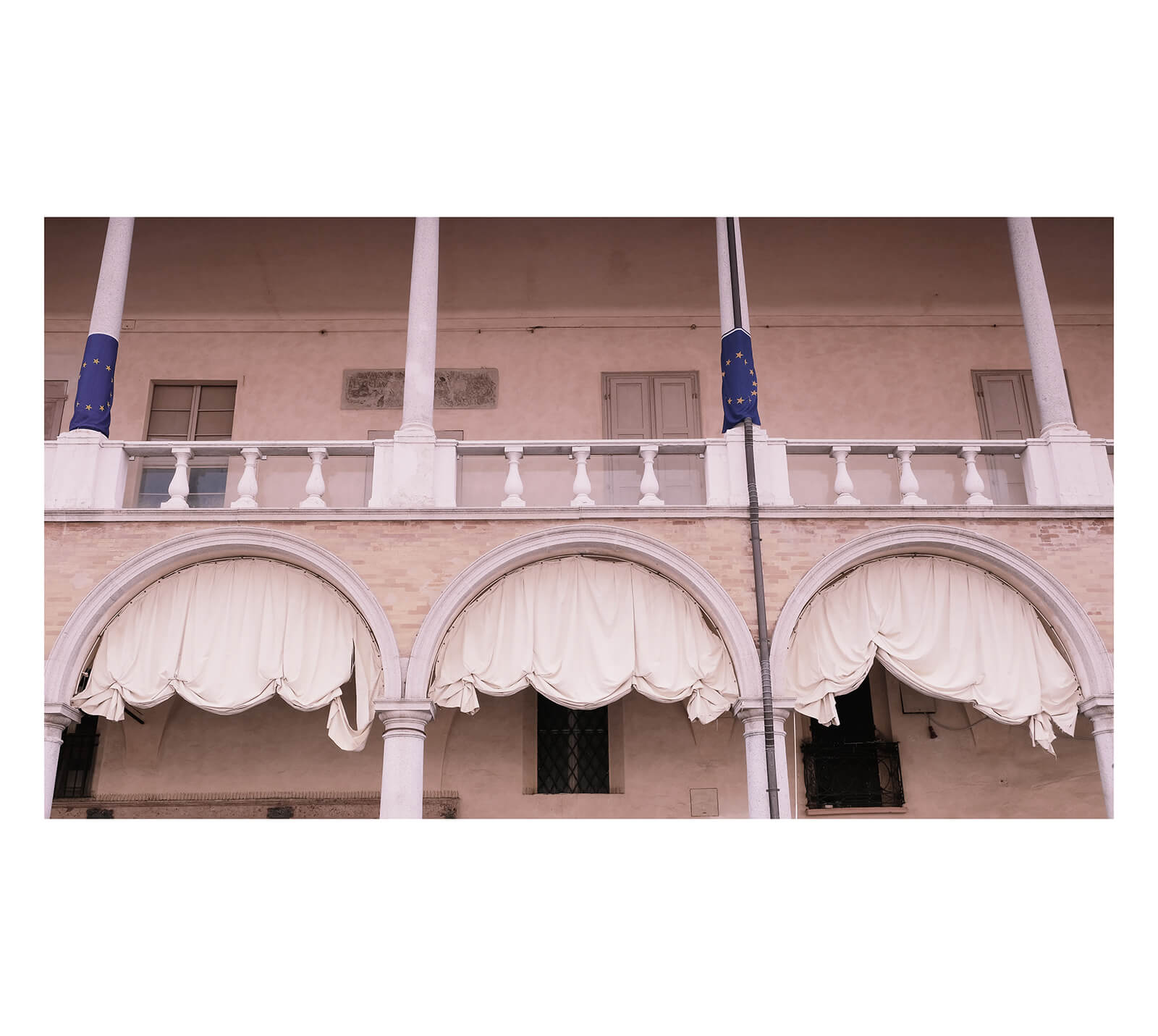
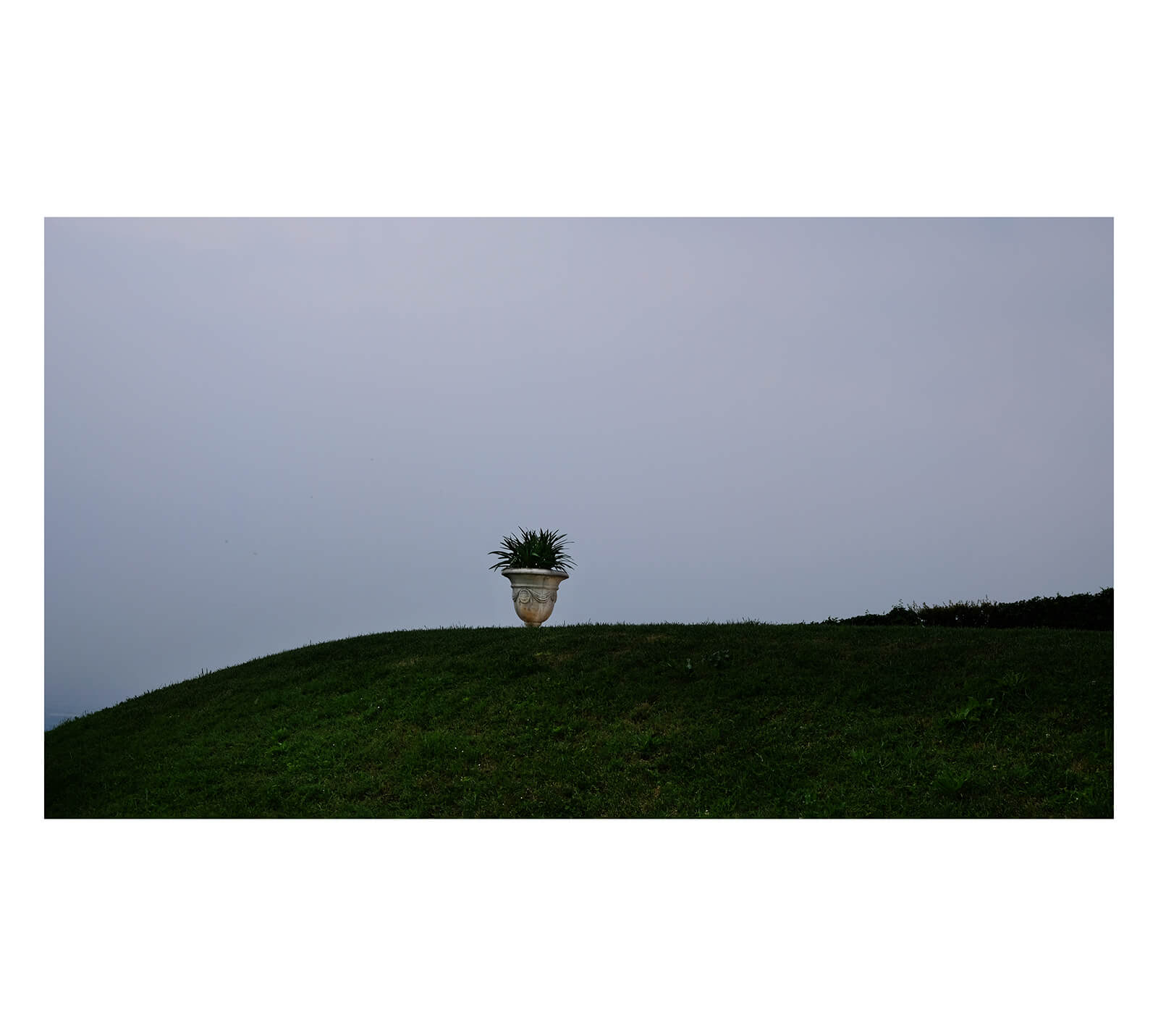
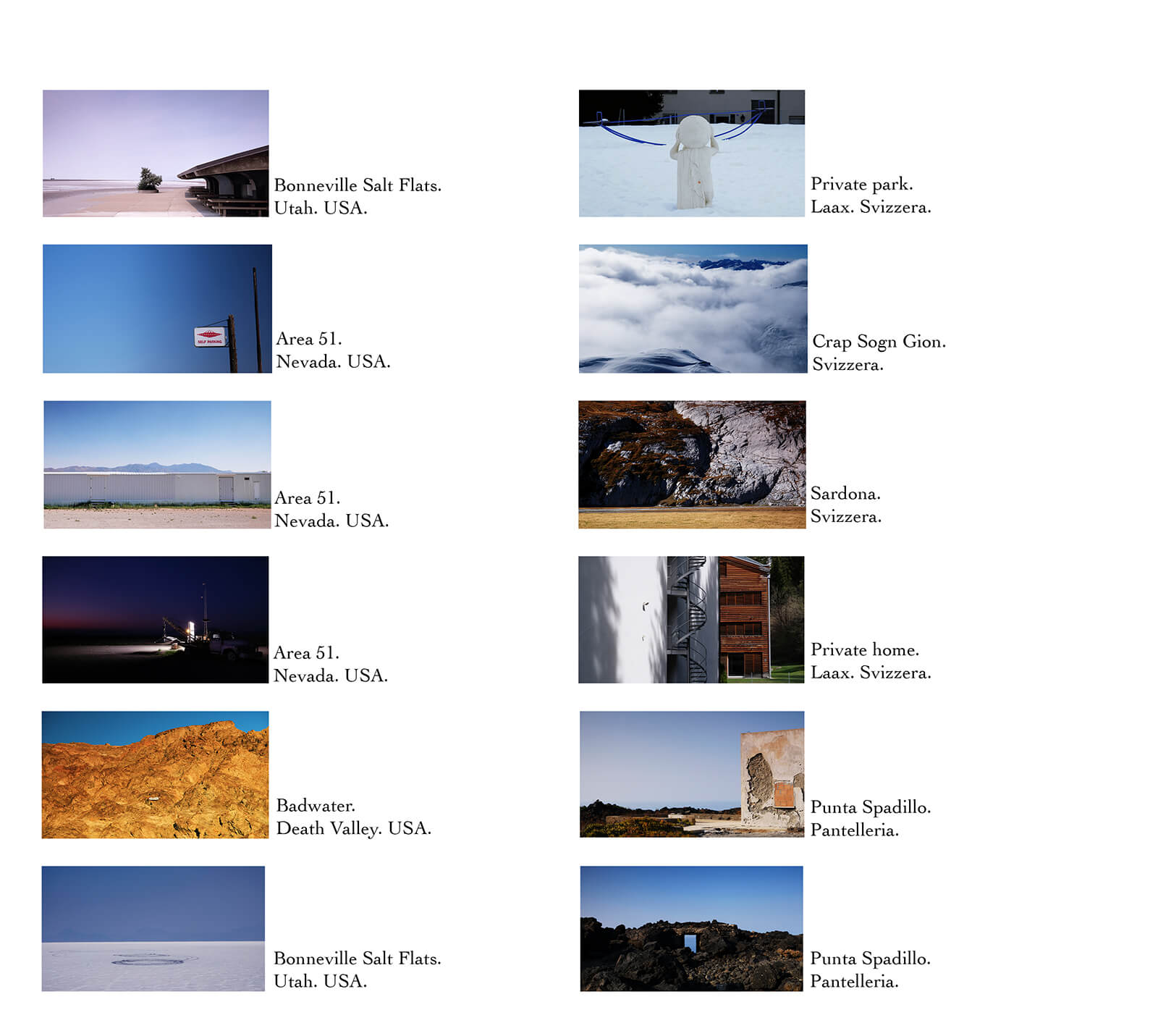
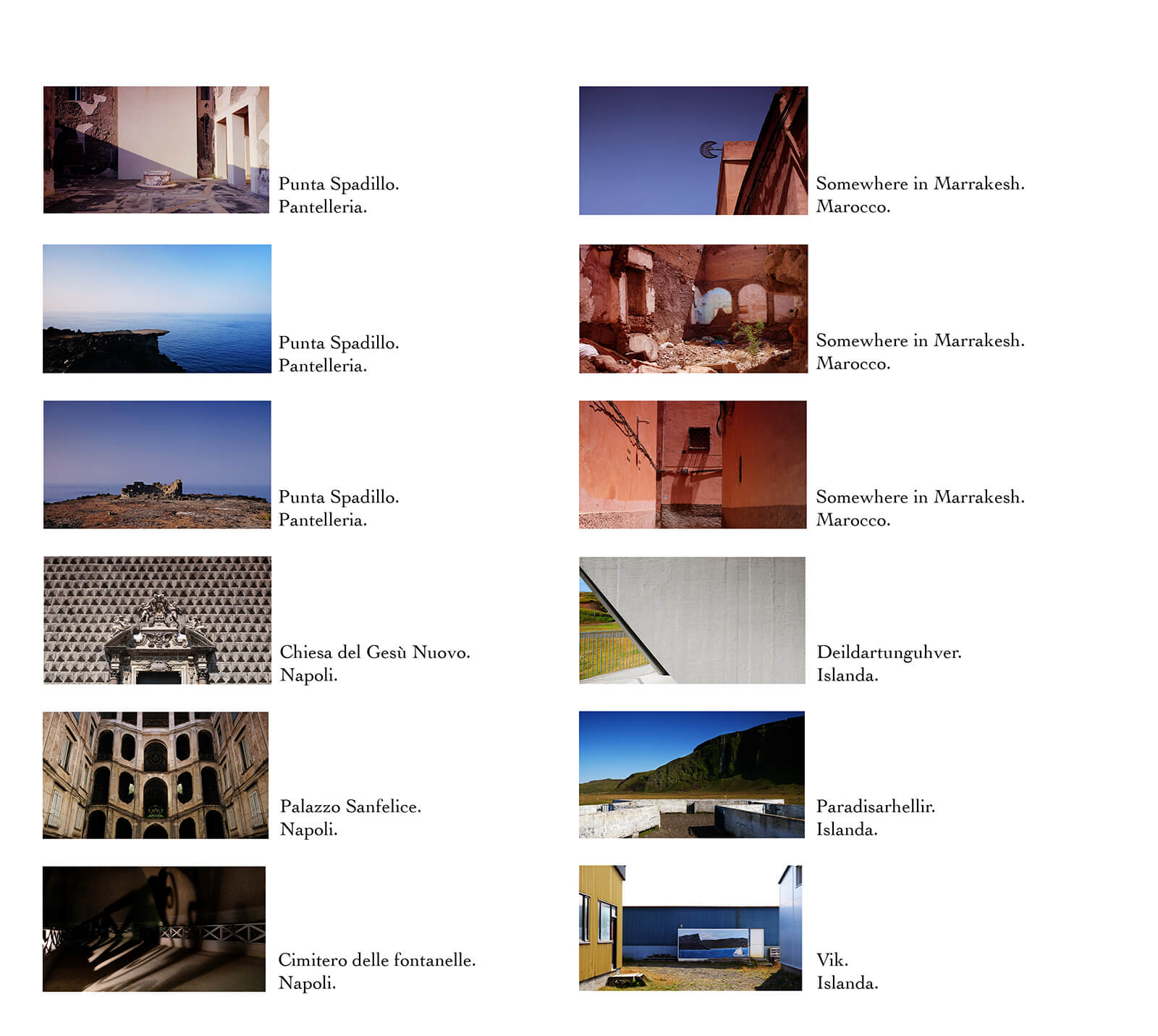
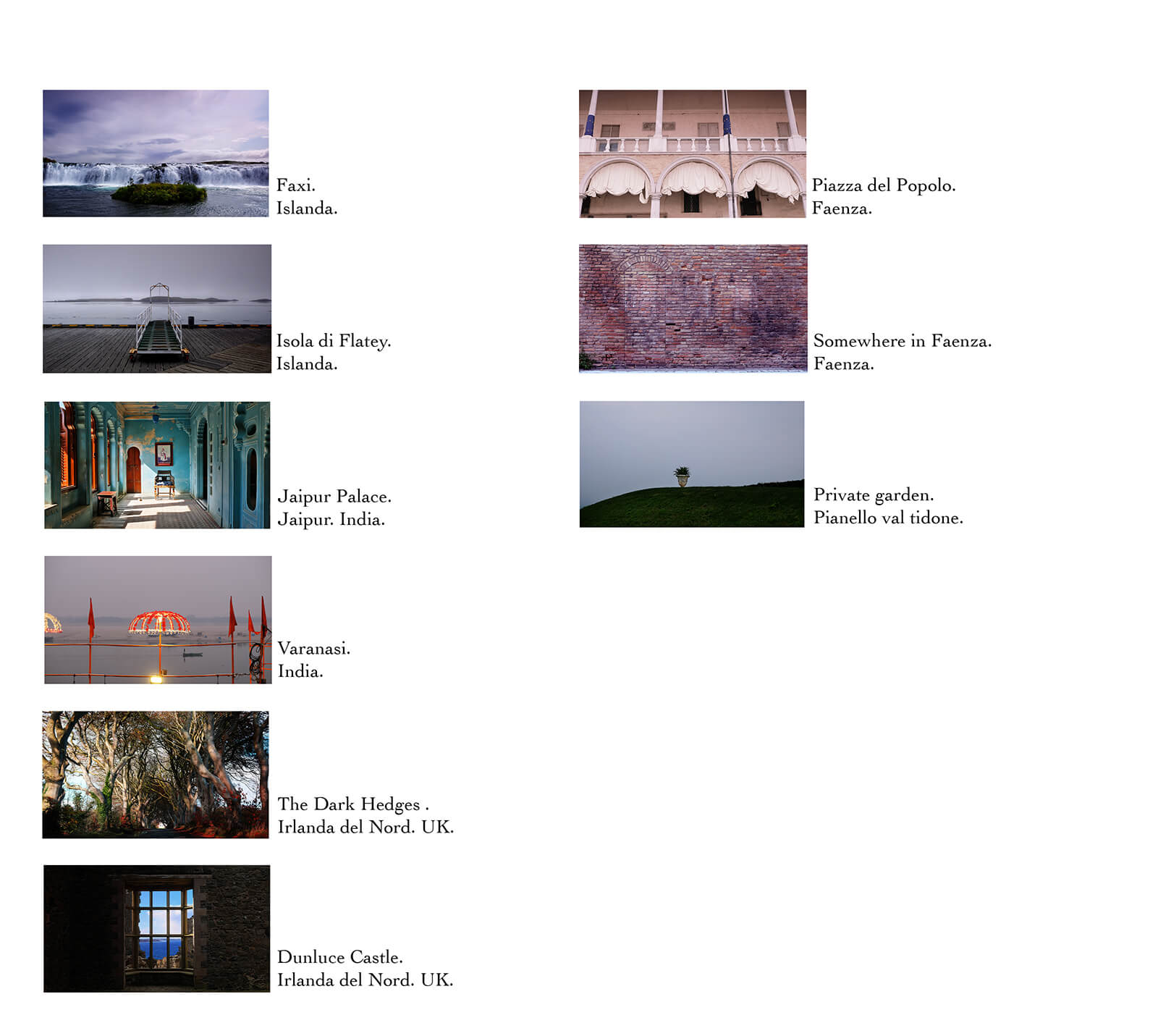
Ieri e Oggi io ho deciso, perciò, di ripercorrere i miei viaggi, selezionando alcuni scatti degli ultimi anni. Immagine dopo immagine, ho iniziato a riflettere su quale fosse il loro comune denominatore e l’ho trovato, senza stupirmi, nel concetto di assenza.
Ho iniziato a fotografare a 20 anni. Le mie linee guida erano le spiagge di Luigi Ghirri e la Parigi deserta di Paul Strand, ed io, cresciuto in una città caotica come Napoli, in una famiglia numerosa, sono sempre stato affascinato dal silenzio e dall’assenza: era questo che cercavo quando immortalavo un luogo.
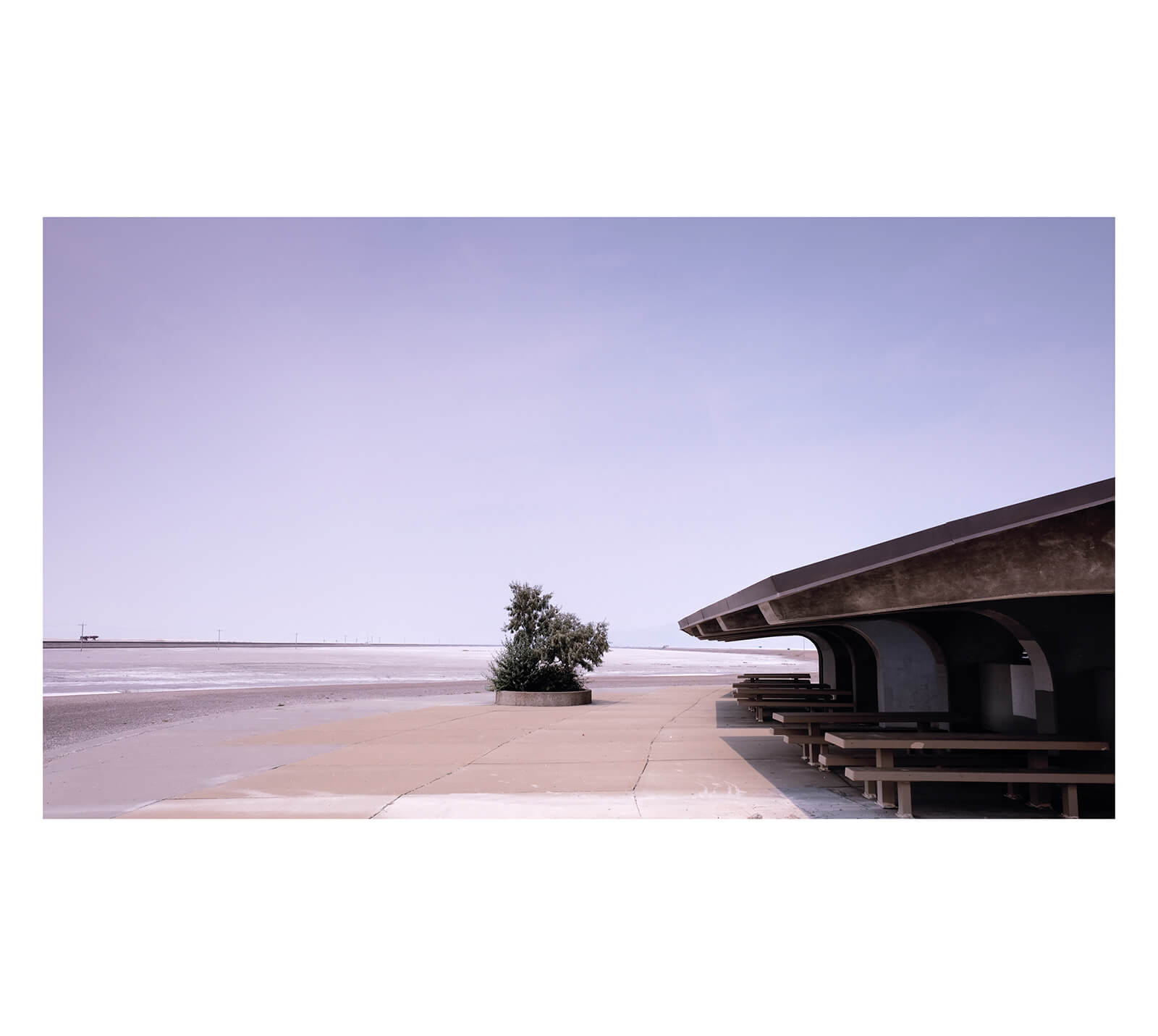
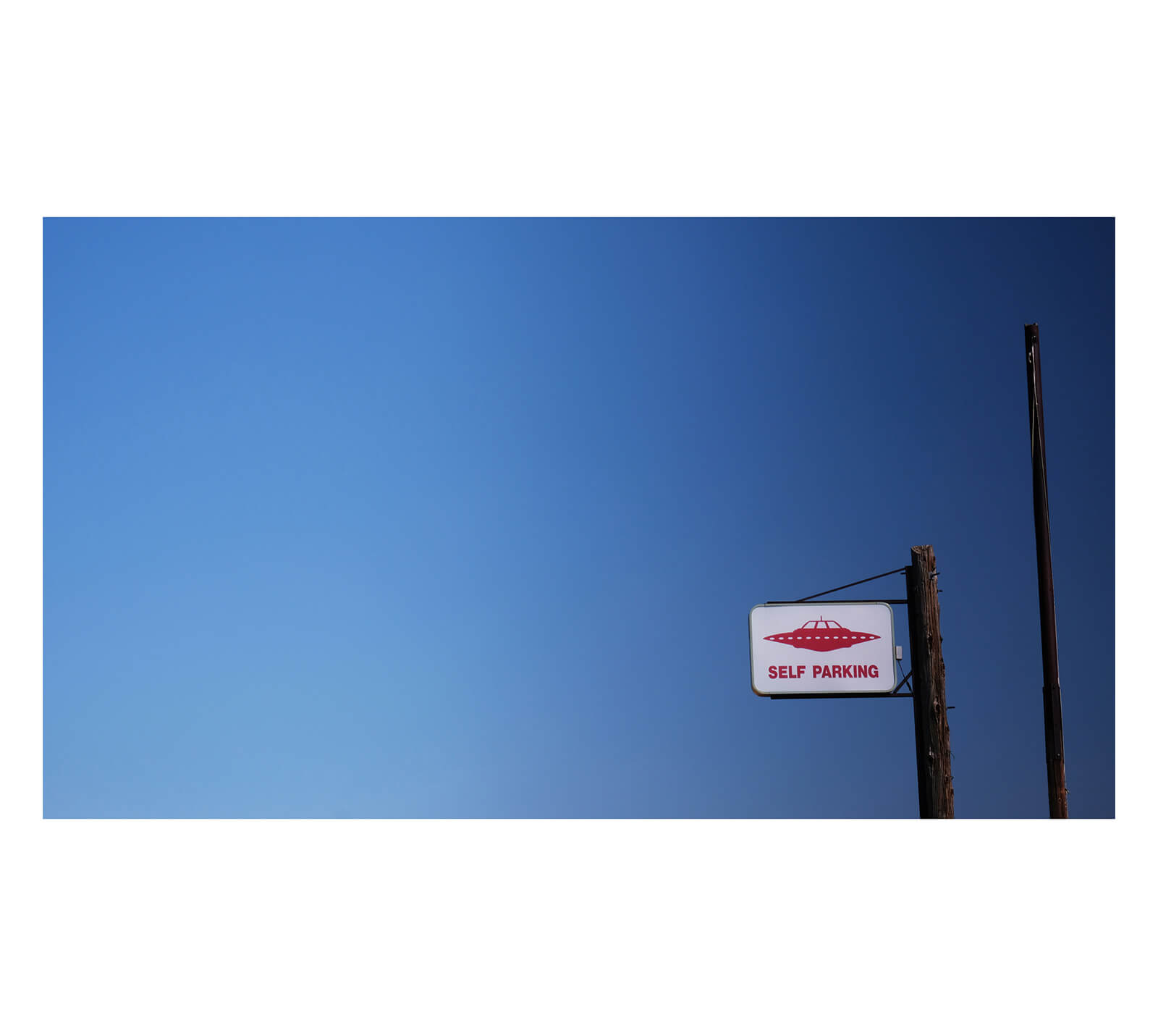
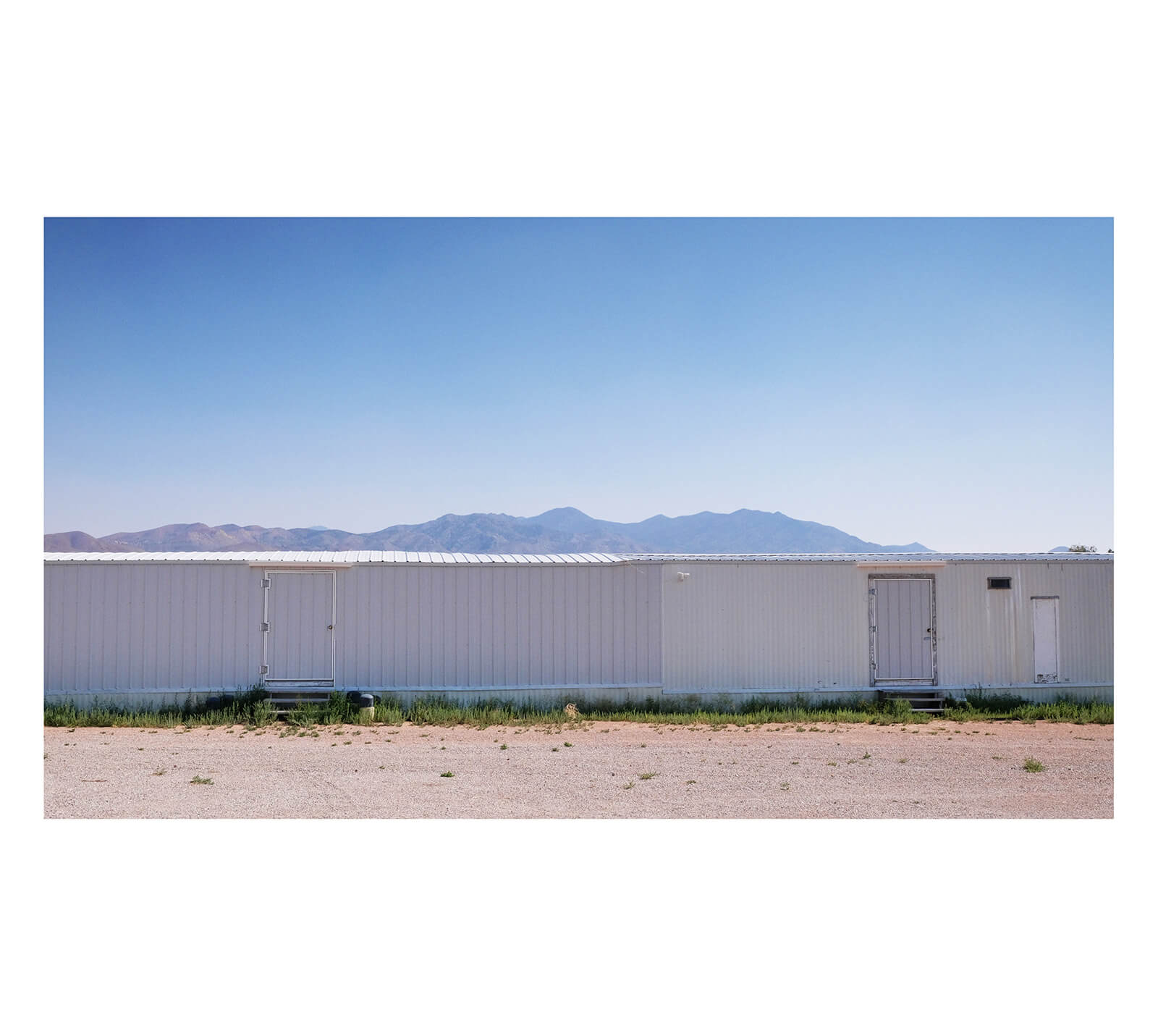
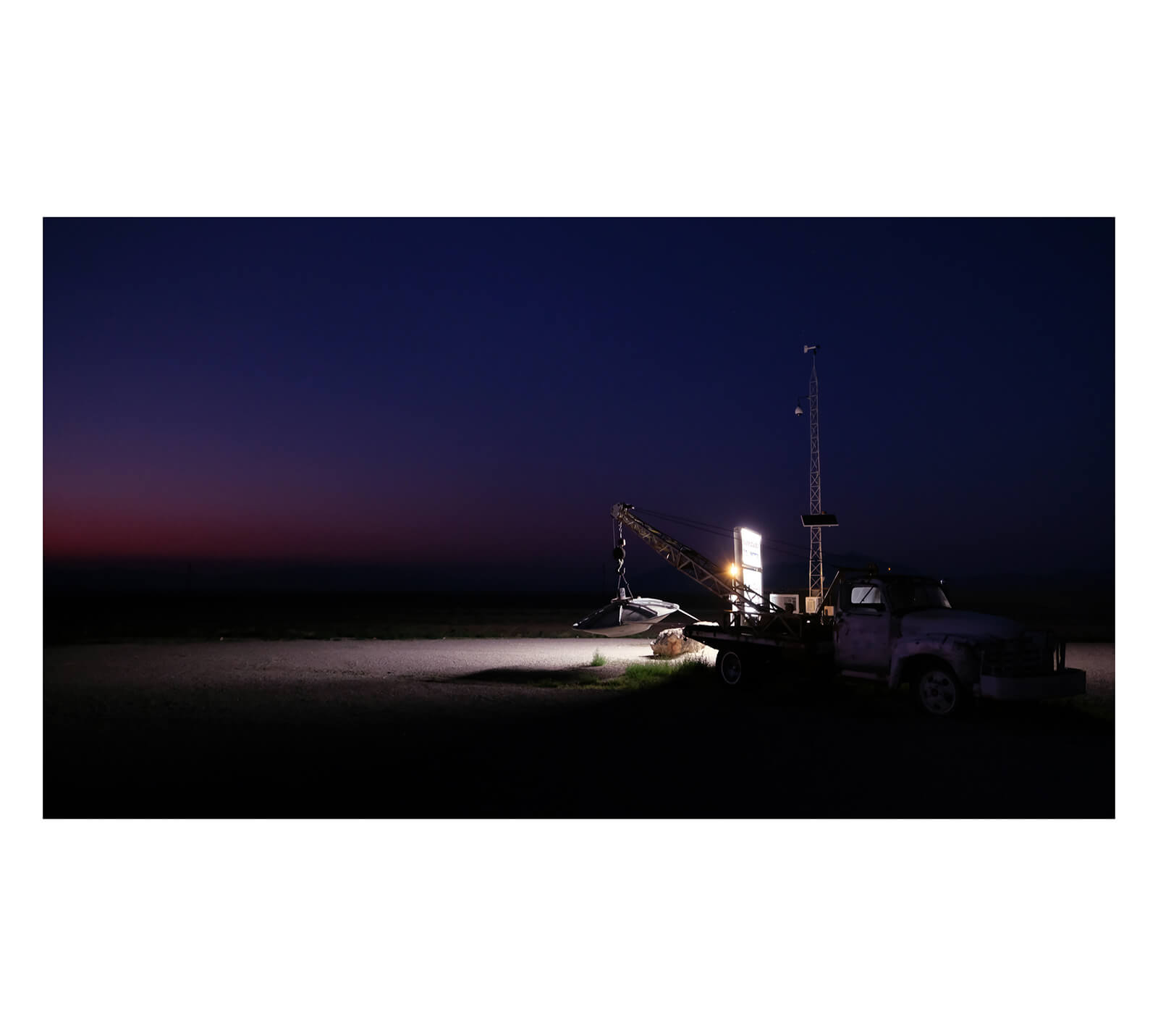
In verità, non ho mai viaggiato per fotografare. Non ho mai organizzato viaggi in funzione di un progetto fotografico e mi sono sempre spostato in periodi dell’anno comuni a molti, quindi, trovare l’assenza era una sfida. Mi sono dimenato tra orde di turisti di ogni specie per riportare nelle mie foto un’immagine che offrisse la sensazione di sentire il mio respiro dietro la macchina fotografica donasse pace, aprisse ad immaginazioni sterminate, distruggendo la mera localizzazione geografica del posto, porgendo la mia visione solo ed esclusivamente come un ricordo.
Nel 2020 quando tutti abbiamo avuto modo di vedere le immagini delle metropoli deserte, ho incominciato a riflettere sulla mia enorme ‘menzogna’, sulla fatica compiuta per architettare quel piano, e su come sia veloce la mutazione della percezione.
Improvvisamente il mondo è diventato un set, le case dei props e il sole un enorme bank. E, interrogandomi ancora ho compreso che da giovanissimo avevo scelto la fotografia perché ne avevo percepito immediatamente il suo potere diabolico.
È la menzogna più grande, è l’immagine più fedele che abbiamo della realtà ma, allo stesso tempo, può essere la più falsa e indurre lo spettatore a credere che sia reale.
Io so che quei luoghi, i miei luoghi, erano affollati ma la mia era una menzogna a fin di bene, mi serviva per raccontare una storia che sarebbe finita in un libro di fiabe.
Fabio Ricciardiello
Where You Are Not
This time is like a waltz, a spinning on a very small stage, in a theater that you had the honor of setting up yourself.
Without spectators, we dance, hoping that someone will tell us the performance is over. The history of humanity is filled with constraints, paths dictated by necessity or family hierarchies; and, in fact, for just under a hundred years, we in the West have been allowed to freely choose our profession, which journeys to undertake, when to leave home, and when, instead, to remain alone.
Today, after the denial of these freedoms for health reasons; today, when borders and boundaries are closed, our work frozen, and the world is reduced to the view from a window, whether physical or digital; today, when a war — seemingly sudden, improbable — is so close to our doorstep, everything seems light-years away, even destinations that until yesterday seemed reachable in a few hours by plane…
Yesterday and today, I decided to retrace my travels, selecting some shots from the past years. Image after image, I began to reflect on their common denominator, and I found it — unsurprisingly — in the concept of absence.
I began photographing at the age of 20. My guiding lines were Luigi Ghirri’s beaches and Paul Strand’s deserted Paris, and I, raised in a chaotic city like Naples, in a large family, have always been fascinated by silence and absence: this is what I sought when I captured a place.
In truth, I never traveled to photograph. I never organized trips according to a photographic project, and I always moved during periods of the year common to many. So finding absence was a challenge. I struggled through hordes of tourists of every kind to bring into my photos an image that would give the feeling of my breath behind the camera, offering peace, opening to boundless imagination, destroying the mere geographic localization of the place, presenting my vision solely and exclusively as a memory.
In 2020, when we all had the chance to see images of deserted metropolises, I began reflecting on my enormous ‘lie,’ on the effort made to orchestrate that plan, and on how quickly perception can shift.
Suddenly the world became a set, houses became props, and the sun an enormous bank. And, questioning myself further, I realized that I had chosen photography at a very young age precisely because I had immediately perceived its diabolical power.
It is the greatest lie; it is the most faithful image we have of reality, yet at the same time, it can be the most false, leading the viewer to believe it is real.
I know that those places, my places, were crowded, but mine was a lie for a good purpose — it was necessary to tell a story that would end up in a fairy tale book.
Fabio Ricciardiello
Condividi sui social